
A single construction accident, a missed equipment delivery, or an unresolved injury claim can push a project timeline back by weeks or even months. For business owners managing renovations, job sites, or commercial properties, these delays are not just inconvenient; they drain budgets, strain client relationships, and create cascading problems across every other task on the schedule. Understanding the most common sources of project slowdowns, and how to respond to them quickly, can mean the difference between a minor hiccup and a six-figure setback. This article breaks down the accidents, rental logistics, and legal entanglements that most often bring business timelines to a halt, and what you can do to keep things moving.
Workplace Injuries That Stall Active Job Sites
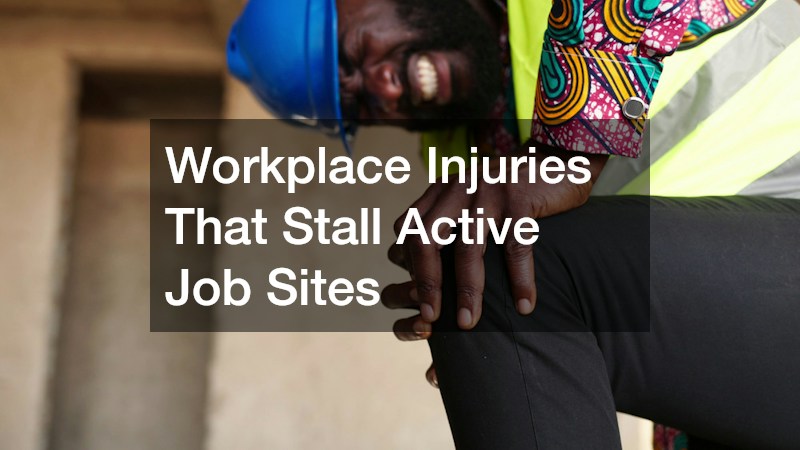
When someone is hurt on a construction or commercial site, work often stops immediately while the scene is assessed and documented. This is not just a safety formality; insurance carriers and regulatory agencies typically require a full incident report before equipment can be used again or crews can return to their stations. The longer that documentation process takes, the longer your project sits idle, racking up costs without any forward progress.
Business owners who understand their obligations ahead of time tend to recover faster. Knowing when to involve a personal injury law firm, how to preserve evidence, and who needs to be notified can shrink what might have been a two-week shutdown into a few days. In some cases, bringing in an accident lawyer early on helps sort out liability questions before they have a chance to stall the project further.
- Document the scene with photos and witness statements immediately
- Notify your insurance carrier within 24 hours
- Keep injured workers’ medical records separate from general project files
- Avoid resuming work until a safety officer clears the site
Vehicle Collisions Involving Company Fleets
Delivery trucks, work vans, and equipment haulers are the backbone of most active projects, so when one is involved in a collision, the ripple effects reach far beyond the vehicle itself. Materials scheduled for delivery get delayed, crews waiting on supplies sit idle, and insurance claims can take weeks to settle before repairs or replacements move forward. A car accident lawyer who understands commercial fleet claims can often speed up the settlement process by handling negotiations directly with insurers while your team focuses on the project.
The financial exposure in these situations is often larger than business owners expect, especially when a company vehicle caused the crash. Liability questions, medical claims from other drivers, and vehicle downtime all compound the disruption. Having a clear protocol for who contacts legal counsel and when can prevent confusion during an already stressful moment.
Motorcycle Related Incidents Near Job Sites
Urban construction zones and busy commercial corridors see a steady mix of pedestrian, cyclist, and motorcycle traffic, and when a job site contributes to a collision involving a rider, the consequences tend to be severe. A delivery truck backing out of a staging area, debris left too close to a traffic lane, or a flagger’s misjudged signal can all put a motorcyclist at risk in ways that wouldn’t threaten someone in a car. Motorcyclists have little protection compared to passenger vehicles, so injuries are often more serious and recovery periods longer, which extends the legal and insurance timeline considerably. Fractures, road rash requiring skin grafts, and traumatic brain injuries are common outcomes even in collisions that would barely dent a car, and treatment for these injuries can stretch on for months. That longer medical timeline means claims stay open longer, witness statements and expert reports accumulate, and settlement negotiations drag well past what a typical fender-bender would require. For a business tied to the site, that translates into weeks or months where the project can’t move forward cleanly. A motorcycle accident attorney experienced in these cases can help clarify liability faster, which matters because unresolved liability questions often freeze permits and inspections until they’re settled. These attorneys know how to pull site safety logs, subcontractor insurance certificates, and traffic control plans quickly, which shortens the fact-finding phase that otherwise drags on for weeks. Getting ahead of that process, rather than waiting for insurers to sort it out on their own timeline, is often the difference between a short pause and a months-long stall.
Construction sites bordering public roads see a disproportionate share of motorcycle incidents, since riders have less protection and less margin for error around uneven surfaces, gravel, or sudden lane shifts caused by cones and barricades. A single collision near your perimeter can halt work for hours or days while police, OSHA representatives, or city traffic engineers document the scene and assess whether your signage and barricades met code. Beyond the human cost, these incidents frequently trigger site shutdowns while authorities investigate signage, barricades, and traffic control measures. Depending on the jurisdiction, that review can include checking sight-line distances, verifying that warning signs were posted the required number of feet in advance, and confirming that flaggers were certified and positioned correctly. Projects have been delayed a full week or more simply waiting for an investigation report to clear before crews are allowed back into the affected zone. If your project touches a public roadway or shared access point, it’s worth reviewing your traffic management plan regularly rather than waiting for an incident to expose gaps. Walk the perimeter monthly to check that cones haven’t drifted, signage hasn’t faded or been knocked over, and temporary lane markings still match your approved plan. Smaller updates — like adding reflective tape, extra lighting at dusk, or a dedicated motorcycle-speed-reduction sign — are inexpensive compared to the cost of a multi-day shutdown and the liability exposure that follows an incident on an inadequately marked site.
Equipment Rental Delays and Availability Gaps
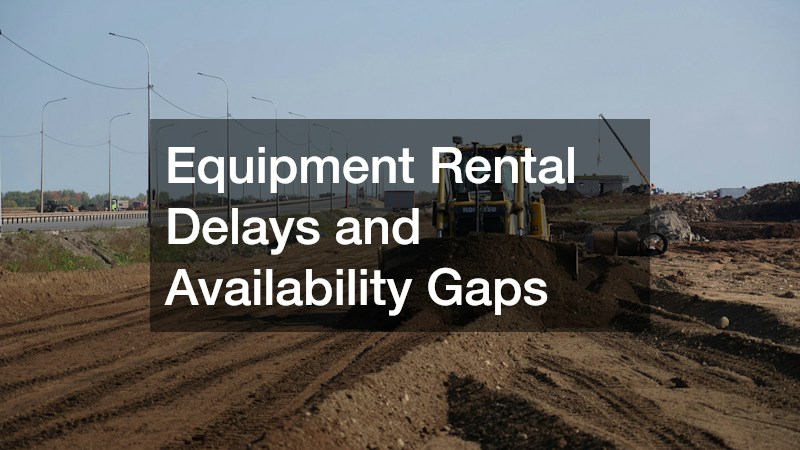
Renting rather than owning heavy machinery is standard practice for most contractors and businesses managing short-term projects, but availability gaps can stall work just as effectively as an accident. Demand spikes during peak construction seasons, typically spring through early fall, and popular heavy equipment rental providers often book out excavators, lifts, and loaders weeks in advance. In tight markets, even skid steers and smaller attachments can become scarce, forcing project managers to settle for whatever is left on the lot rather than the machine actually suited to the job. When a rental falls through at the last minute, crews are left standing around with nothing to do, which burns labor costs without any output. A ten-person crew idled for even half a day can translate into hundreds of dollars in wasted wages, not counting the ripple effect on subcontractors scheduled to follow behind them. Site supervisors are then forced to scramble for backup suppliers, often paying premium same-day rates or accepting inferior equipment just to keep the project moving. Geographic location compounds the problem, since rural job sites may have only one or two rental outfits within a reasonable delivery radius. A breakdown in supply at that single provider means there’s no fallback option, and trucking in equipment from farther away adds both delivery delays and transportation costs. These compounding gaps in availability can push a tightly scheduled project days behind before a single shovel hits the ground.
Equipment rental delays rarely announce themselves until it’s too late. A crane booked three weeks out can be reassigned to another job, a generator can sit in a repair queue, or a provider’s “available” inventory can turn out to be committed to someone else entirely. Building in buffer time of even one to two days for equipment delivery gives you room to absorb these surprises without pushing back your entire schedule. Maintaining relationships with more than one rental provider reduces the risk of a single point of failure derailing your project. A good rule of thumb is to have at least one backup vendor for any equipment that’s critical-path — meaning if it doesn’t show up, work stops entirely. This is especially important for specialized equipment like aerial lifts, bore machines, or large generators, where only a handful of providers in your area may stock what you need. It also pays to confirm delivery windows in writing rather than relying on verbal commitments, since miscommunication is one of the most common causes of rental delays. A phone call confirming “Tuesday morning” means little if the provider’s definition of morning is 11 a.m. and yours is 7 a.m. Get specific time windows, delivery contact names, and penalty clauses for late delivery written into the rental agreement whenever possible. Finally, track usage against your rental contract closely. Equipment held longer than planned due to a delay elsewhere in the project can trigger steep overage fees, turning one schedule problem into a budget problem as well.
Sanitation and Facility Logistics on Remote Sites
Projects in remote locations or areas without existing infrastructure depend heavily on temporary facilities to keep crews working efficiently. A porta potty trailer rental might seem like a minor logistical detail, but when sanitation units arrive late or are undersupplied for crew size, workers lose time traveling off-site or simply stop working until the issue is resolved. Health and safety regulations in many jurisdictions require a minimum number of units per worker, so falling short can also trigger compliance violations.
Smart project managers treat sanitation logistics with the same seriousness as material deliveries, scheduling them well ahead of the first day on site. A short delay in this area rarely makes headlines, but it adds up in lost labor hours over the life of a long project.
Demolition Scheduling Conflicts and Debris Removal
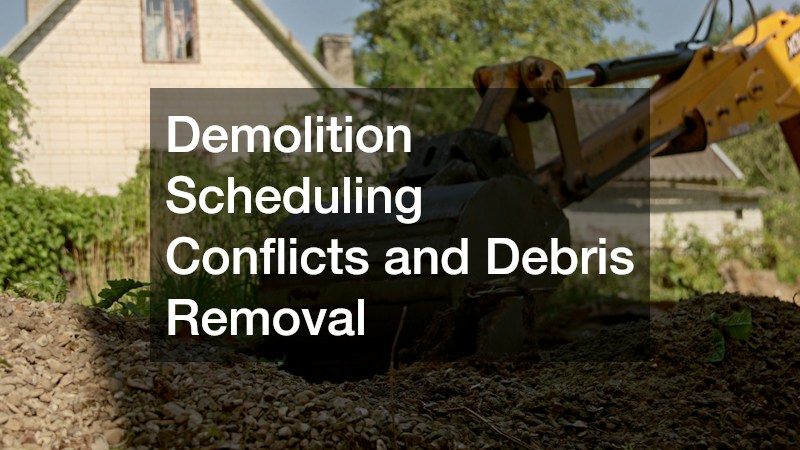
Demolition phases are notorious for throwing off project timelines because they involve so many moving parts: permits, utility shutoffs, debris hauling, and safety clearances all need to align. When experienced demolition contractors are booked solid or permits take longer than expected to process, every downstream task gets pushed back accordingly. This is one of the most common chokepoints in renovation and redevelopment projects, particularly in dense urban areas where demolition debris must be trucked out under strict routing rules.
- Confirm permit timelines with your local building department before scheduling crews
- Ask contractors for proof of insurance and disposal certifications
- Build at least a one-week buffer into demolition schedules for inspection delays
- Coordinate utility shutoffs well in advance to avoid last-minute rescheduling
Plumbing and Drainage Failures During Construction

Few things halt a project faster than a clogged or damaged drainage line discovered mid-build. Standing water, backed-up sewage, or flooded foundations create immediate safety hazards that require specialized attention before any other trade can resume work. Electricians won’t run wire near standing water, flooring crews can’t lay materials on saturated subfloor, and inspectors will often red-tag a site until the issue is resolved, which means one plumbing failure can idle an entire crew. Commercial drain cleaning companies are often called in on an emergency basis during these situations, and their response time can directly determine how many days a project loses. A same-day response might limit the setback to 24-48 hours, while a delayed callback during a busy season can stretch into a week or more, especially if the blockage requires camera inspection, hydro-jetting, or excavation to locate the failure point. Costs add up quickly beyond the repair itself. Standing water left unaddressed for even a day or two can lead to mold growth, warped subflooring, or damaged drywall, turning a plumbing fix into a full remediation job. Rental equipment sitting idle on-site during the delay — generators, lifts, or temporary fencing — continues to accrue charges whether or not crews can use it. Smart project managers build relationships with multiple commercial drain cleaning companies ahead of time rather than searching during a crisis. Having a pre-vetted vendor on call, with agreed-upon emergency rates and realistic response windows, can shave critical hours off the delay when a line fails unexpectedly.
Older buildings undergoing renovation are especially prone to drainage surprises, since original plumbing systems were rarely designed for modern usage loads. Cast iron pipes installed decades ago may look intact on the surface while corroding or cracking internally, and clay sewer lines common in older properties are prone to root intrusion that can go unnoticed until heavy water flow triggers a backup. These failures rarely stay contained to a single trade. A burst line or flooded basement can halt electrical and framing work for days, damage materials already on site, and force crews to reschedule around drying and remediation timelines. Scheduling a drainage inspection before major construction begins, rather than after a problem surfaces, is one of the simplest ways to avoid this type of delay altogether. A camera inspection of sewer lines, pressure testing of existing pipes, and a review of permit records for past plumbing work can flag weak points before demolition disturbs them. The cost of this upfront diligence is small compared to the alternative. An inspection typically runs a few hundred dollars, while an unplanned mid-project pipe failure can mean emergency repair costs, equipment rental for pumps and dehumidifiers, and schedule slippage measured in weeks rather than days.
Landscaping and Site Finishing Bottlenecks
The final stretch of a project, when landscaping and exterior finishing take place, is often treated as an afterthought in scheduling, which causes its own set of delays. Specialized equipment like commercial bark blowers can speed up large-scale mulching and groundcover work significantly compared to manual labor, but availability for this kind of equipment is limited in many regions, especially during spring and fall when demand peaks. Businesses that wait until the last phase of a project to book this equipment often find themselves stuck waiting weeks for an open slot.
Coordinating landscaping crews and equipment earlier in the overall project timeline, even if the work itself happens last, helps avoid this bottleneck. It also gives property owners more flexibility to negotiate better rates, since last-minute bookings tend to come at a premium.
Legal Claims That Freeze Project Timelines
Beyond the immediate aftermath of an accident, the legal process that follows can keep a project in limbo for months. Insurance companies often won’t authorize repairs or payouts until liability is clearly established, and that process slows considerably when multiple parties are involved. Personal injury lawyers who specialize in commercial property or construction cases understand how to navigate these overlapping claims efficiently, which can shave meaningful time off the resolution process.
It’s worth noting that a claim involving a single, straightforward incident moves through a very different process than one managing a multi-vehicle or multi-party commercial dispute. Choosing personal injury lawyers with direct experience in your type of incident, rather than defaulting to whichever firm is most convenient, often results in a faster and more favorable resolution, which in turn gets stalled projects moving again sooner.
Project delays rarely come from a single dramatic event; more often, they stack up from a combination of accidents, logistical gaps, and legal uncertainty that compound over time. The businesses that lose the least time are the ones that plan for these risks in advance, build buffers into their schedules, and know exactly who to call when something goes wrong. Reviewing your current project plan against the issues outlined here is a practical first step toward protecting both your timeline and your bottom line.