
Every great business story seems to start in a humble space. Whether it is a spare bedroom or a quiet kitchen corner, these makeshift spaces serve as launchpads for innovation. In these early days, operational overhead is low, and flexibility is remarkably high. Founders can pivot strategies quickly, work at any hour of the night, and manage their small teams through basic video calls without worrying about corporate infrastructure. It is a time of pure focus on product development and market validation. However, sustained success inevitably brings a unique set of challenges that cannot be ignored forever. Inventory starts to pile up in residential hallways, client meetings over living room coffee feel less professional, and the lack of a dedicated collaborative space begins to stifle creative energy. There comes a specific day when the home office is no longer a cozy asset; it becomes a physical constraint on the company’s future growth and market potential.
Moving out of the residential bubble and into a dedicated commercial property is one of the most exciting milestones an entrepreneur will ever experience. It signals that the business is ready for serious scale. Yet, this transition is also fraught with logistical complexities that many founders underestimate. Managing a commercial lease requires a completely different mindset than running a business from a laptop at home. Founders must consider building codes, technical infrastructure, interior design, corporate branding, and labor compliance across physical workspaces. This guide provides a practical roadmap for founders ready to turn a blank commercial property into a productive corporate headquarters.
One of the primary catalysts for this transition is the immediate need to scale the workforce. When a business operates out of a residential home, hiring full-time, on-site employees is rarely feasible or legal due to local zoning restrictions. As operations expand, a company will inevitably need to connect with a professional staffing agency to recruit specialized personnel who can handle the increasing workload. This external collaboration ensures that the organization brings in qualified individuals who fit the emerging corporate culture. Finding the right talent is just the beginning of the journey toward establishing a fully functional corporate footprint that drives long-term profitability.
Assessing Potential Buildings for Structural Integrity
The process of selecting a commercial property often starts with online listings and real estate walkthroughs. It is easy to get caught up in the neighborhood or local dining options. However, smart founders look far beyond the surface aesthetics during their initial property inspections. A commercial lease is a long-term commitment, and unexpected structural issues can quickly drain working capital. Before signing any lease agreement, it is vital to understand what repairs fall under the landlord’s responsibility and what elements the tenant must maintain.
One of the most critical components of any commercial building is the overhead protection system. A leaky roof can ruin computer equipment, destroy inventory, and cause mold issues that halt operations. When inspecting a standalone building or a top-floor commercial suite, founders should look for signs of water stains on the ceiling tiles or an older, worn exterior structure. It is highly recommended to have a professional roofer inspect the property before final lease negotiations. This proactive step ensures that any existing damage or necessary structural upgrades are fully addressed by the property owner before move-in day, saving the business from unexpected capital expenses later down the line.
Auditing the Internal Plumbing and Utility Systems

Once the structural exterior is deemed safe, the focus must shift to the internal mechanics of the building. In a home office, utility issues are minor inconveniences. In a commercial environment, however, plumbing systems experience significantly higher usage and must withstand constant daily wear. Restrooms, breakrooms, and office kitchenettes must comply with strict local health codes and accessibility standards. A major backup can disrupt a workday and force a company to send its workforce home.
Founders should thoroughly test every faucet, drain, and toilet during their walkthroughs of the prospective property. Low water pressure, slow drains, or strange noises in the pipes are clear warning signs of underlying infrastructure issues. It is wise to bring in a licensed plumber to evaluate the entire system, especially if the commercial space has been vacant for several months. A professional can identify hidden leaks, check the water heater capacity, and ensure the pipes can handle the demands of an expanding team. Addressing these mechanical concerns early prevents costly operational shutdowns once the office is officially open.
Securing Climate Control for Employee Comfort
Air quality and temperature regulation impact workplace productivity. A commercial space that is perpetually freezing or stiflingly hot will quickly lead to disgruntled employees and decreased operational output. Residential heating and cooling systems are simple, but commercial systems are complex networks that require precise balancing, heavy-duty ductwork, and regular commercial maintenance. When moving into a new office, founders must verify that the air distribution is completely even across all rooms, including conference areas and server closets.
If a building has been sitting idle for a while, the climate control units may require immediate attention. It is common for older commercial units to suffer from worn belts, clogged filtration systems, or outdated thermostats. Scheduling a technician to handle necessary HVAC repairs before the team officially occupies the space is a smart operational move. Proper maintenance ensures that the system runs efficiently, which directly lowers the monthly utility bills for the company. Maintaining a comfortable climate protects sensitive office electronics from overheating and preserves the longevity of the indoor environment.
Balancing Natural Light and Workplace Ergonomics
Natural light is a desired office feature that boosts mood and keeps employees alert. However, large commercial windows can also introduce significant challenges, such as harsh glare on computer monitors and excessive solar heat gain. If left unmanaged, direct sunlight can make certain desks completely unusable during peak afternoon hours. Striking the right balance between natural illumination and visual comfort is essential for smooth daily operations.
To address this, founders need to invest in professional window treatments that offer both flexibility and style for the workspace. Roller shades, solar blinds, or adjustable vertical louvers allow employees to control the amount of light entering their workspaces throughout the day. Modern options can even be automated to adjust based on the position of the sun. Selecting the right window coverings helps eliminate eye strain, reduces reliance on artificial lighting, and assists the climate control system by blocking out excess heat during the summer months.
Transforming the Space with Brand-Aligned Aesthetics
A blank commercial property can feel uninviting when keys are first handed over. To turn this empty shell into a vibrant space that reflects the company’s culture and values, interior design must become a priority. The visual environment impacts how employees feel when they walk into work each morning and shapes the first impressions of visiting clients. Color schemes should be selected carefully to balance corporate energy, professionalism, and daily comfort.
While a DIY approach might work for a small home workspace, commercial walls require professional execution to achieve a truly polished finish. Hiring a commercial painting service ensures that the walls are properly prepped, repaired, and coated with durable, high-quality finishes that stand up to daily wear and tear. Clean lines and professionally applied corporate colors instantly elevate the professionalism of the entire office. This aesthetic transformation bridges the gap between a sterile lease space and an inspiring corporate home that team members are proud to inhabit.
Optimizing Conference Rooms for Confidentiality
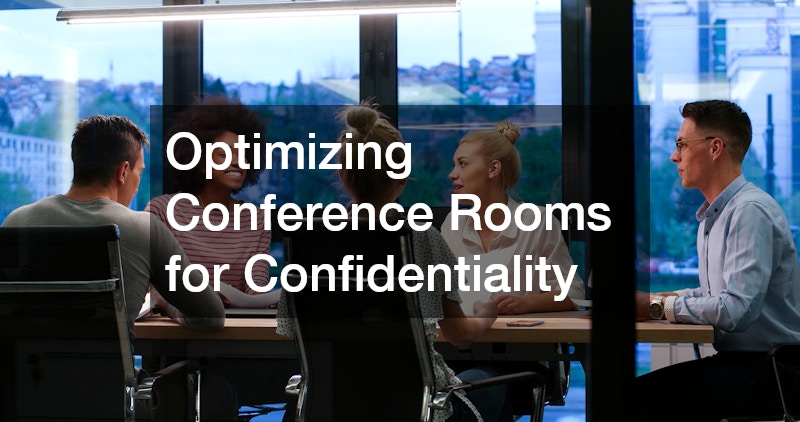
Modern layouts favor glass walls and open plans to encourage collaboration. While this look is undeniably sleek and modern, it poses a distinct challenge when it comes to visual privacy. Human resource meetings, financial reviews, and strategic board discussions require a level of confidentiality that fully transparent glass simply cannot provide. Employees can feel uncomfortable working in highly visible glass pods where every passerby can see their computer screens.
A practical and elegant solution to this problem is the application of premium privacy film film coatings to the glass. Glass application solutions can deliver excellent opacity while maintaining a modern, professional appearance throughout the office. It can be customized with frosted designs, geometric patterns, or subtle gradients to enhance the interior decor of the workplace. Implementing this simple physical modification protects proprietary information and gives team members the quiet focus they need to handle sensitive tasks without feeling exposed to the entire office.
Setting Up Your Technical Infrastructure and Security
Transitioning from home internet to an enterprise corporate network is a major leap. In a residential setting, a basic router from a local internet service provider is usually sufficient for a handful of personal devices. A commercial office, however, demands high-speed fiber connections, secure local area networks, dedicated firewalls, and reliable backup systems. Protecting sensitive client data and internal communications becomes paramount the moment a business expands its physical footprint and hires more staff.
Instead of trying to configure complex hardware independently, founders should seek expert assistance. Partnering with a reliable managed it service allows entrepreneurs to focus on core business strategies while experts handle network security, cloud migrations, and daily data backups. These professionals can design a scalable infrastructure that grows alongside the company, ensuring that new employees can connect to the network seamlessly. This partnership minimizes technical downtime and safeguards the business against modern cybersecurity threats.
Setting Up Operational Compliance and Infrastructure
As a business expands into a physical environment, management becomes far more complex. Managing payroll, administering employee benefits, tracking workplace safety, and staying compliant with state and federal labor laws can quickly overwhelm a founder. A physical workplace introduces new legal liabilities and operational requirements that do not exist in a fully remote or home-based setting.
To navigate these complexities without losing focus on business growth, many founders turn to outsourced HR services to handle their administrative burdens. These specialists ensure that mandatory employment posters are displayed correctly, employee handbooks are updated for the physical workplace, and onboarding protocols are executed seamlessly. Outsourcing these critical tasks protects the company from costly legal mistakes and establishes a structured, professional environment where employees feel supported and valued from their very first day in the new office.
Creating Tangible Assets and Local Presence
Moving into a physical office requires updating the company’s tangible materials. In the digital workspace, a website and an email signature are often the only brand touchpoints a business needs to survive. A brick-and-mortar presence, however, requires physical orientation assets. Visitors need to find the right suite, employees require physical access badges, and the company needs physical marketing materials to distribute to local clients, partners, and community members.
Establishing a relationship with a local provider for custom printing is an essential step in this phase of expansion. This partner can produce high-quality exterior building signs, interior reception logos, business cards, and branded corporate stationery for daily use. Having cohesive, professionally printed materials reinforces the brand identity and builds immediate trust with anyone who visits the new facility. It ensures that every physical touchpoint, from a simple folder to a massive wall graphic, reflects the high standards of the business.
Managing the Financial and Logistical Timeline of the Move
The final phase of scaling into a commercial facility involves managing the financial timeline and shifting day-to-day operations without causing service interruptions for existing clients. A successful corporate relocation requires a phased approach where technology systems and physical assets are moved in stages. Founders should establish a detailed budget that accounts for unexpected expenses, such as utility deposits, moving insurance, and transitional dual-occupancy costs where both the old home office and the new commercial space are active simultaneously. Maintaining a clear financial buffer prevents short-term cash flow issues from disrupting the company’s growth trajectory during this critical expansion period.
Additionally, founders should involve their core team in the planning process to boost company morale. Assigning specific relocation advocates within different departments can distribute the logistical workload effectively. This collaborative approach ensures that internal workflows remain organized and that individual team members feel valued during a time of significant organizational change. Clear communication with clients and suppliers remains critical throughout the moving process. Informing stakeholders well in advance about the address change, updated phone numbers, and potential brief delays in response times preserves corporate trust and prevents operational confusion. Updating online business listings, digital maps, and official registries should occur immediately upon taking possession of the new property.
Embracing the Future of the Enterprise
Transitioning from a home office to a commercial space is a monumental achievement that represents hard work and strategic vision. While the logistical hurdles of setting up a new facility can seem overwhelming at first, breaking the process down into manageable steps makes it entirely achievable. By addressing structural integrity, mechanical systems, digital infrastructure, interior design, and workforce compliance sequentially, founders can build a workplace that fosters long-term success.
Ultimately, this physical expansion serves as a launchpad for broader operational horizons. The new facility provides the literal and metaphorical space needed to foster deeper collaboration, spark innovative ideas, and drive sustainable corporate growth. As the organization establishes its roots in the new commercial property, leadership can shift its focus from mere transition logistics to long-term market leadership.