
Every business owner eventually faces the same expensive question: is this asset worth fixing, should it be replaced entirely, or is it time to cut losses and move on? Making the wrong call can drain cash flow, disrupt operations, and put employees or customers at risk. The good news is that this decision usually comes down to a handful of predictable factors, like age, safety, cost of downtime, and how the asset fits your long-term plans. This guide walks through common business assets, from buildings to equipment, so you can approach the repair-replace-walk away decision with confidence instead of guesswork.
Evaluating the True Condition of Any Business Asset
Before you can decide whether to repair, replace, or abandon an asset, you need an honest picture of its current state. A formal condition assessment gives you documented evidence of wear, structural integrity, and remaining useful life, rather than relying on gut instinct or how something looks on the surface. This documentation matters later too, whether you’re justifying a capital expenditure to leadership or negotiating with insurers after a failure. This process typically involves a trained inspector examining the asset against manufacturer specifications and industry benchmarks, then producing a report that ranks urgency and estimated remaining lifespan. For physical equipment, that might mean vibration analysis on a motor, thermal imaging on electrical panels, or oil analysis on hydraulic systems to catch problems invisible to the naked eye. For vehicles or fleet assets, inspectors typically check frame integrity, mileage against expected service life, and maintenance history to flag anything trending toward failure. Good assessments also assign a condition rating, often a simple scale like excellent, fair, poor, or unsalvageable, paired with a percentage estimate of remaining life. A commercial roof rated at 15% remaining life, for instance, tells you far more than a vague note that it “looks worn.” Similarly, an assessment might reveal that a piece of manufacturing equipment is structurally sound but running at 60% of its original efficiency, which changes the calculus around repair versus replacement. It’s worth budgeting for these assessments on a recurring schedule rather than only when something breaks. Annual or biannual reviews of major assets, buildings, vehicles, and critical machinery build a historical record that makes future decisions faster and far less speculative.
Skipping this step is one of the most common mistakes business owners make, because it leads to reactive decisions made under pressure rather than planned ones. When a delivery van breaks down or a piece of equipment fails mid-shift, the instinct is to make a quick call just to get back up and running, often at a higher cost than a more deliberate choice would have required. A written assessment forces you to slow down and look at the full picture: age, repair history, current market value, and realistic remaining lifespan. Include specifics like total repair costs over the past 12-24 months, downtime hours caused by the asset, and quotes for comparable replacements. Even a simple one-page summary with these figures can reveal patterns that are easy to miss when you’re only reacting to the latest breakdown. This kind of documentation also pays off outside your own decision-making process. When you’re negotiating with contractors, a clear record of past issues gives you leverage and credibility, since it shows you understand the asset’s real condition rather than relying on guesswork. The same applies when applying for financing or justifying a capital expenditure to partners or investors. Lenders and stakeholders respond better to a documented case built on numbers and trends than to a vague claim that “the machine is getting old” or “we keep having problems with it.”
- Ask for photo documentation and specific measurements (wear depth, voltage output, pressure readings), not just a verbal opinion
- Request a rating scale (such as excellent, fair, poor, critical) for each major component, not just an overall grade for the whole asset
- Get a written estimate of remaining useful life in years, along with the assumptions behind that estimate (usage hours, load levels, maintenance frequency)
- Compare findings against the original purchase or installation records to see how actual wear stacks up against expected lifespan
- Note any past repairs or part replacements, since a history of frequent fixes on the same component often signals a bigger problem underneath
- Use the report to prioritize which assets need attention first, ranking by safety risk, cost of failure, and how soon repair or replacement is realistically needed
Deciding Between Fixing and Replacing Your Roof

Commercial roofs are one of the biggest-ticket decisions a business owner faces, and the choice between patching and full replacement often comes down to age and extent of damage. If a roof is under 15 years old and the damage is isolated to a small area, a repair is usually the financially smart move. Once leaks become recurring, or damage spans more than 25 to 30 percent of the surface, most roofing contractors will tell you that continued patchwork is throwing money away.
Getting multiple opinions matters here, since estimates can vary widely depending on materials and labor costs in your area. A reputable contractor should walk you through the pros and cons of repair versus replacement, including how much longer a patched roof is likely to last before you’re back to square one.
- Get at least two to three independent inspections before committing
- Ask about warranty differences between a repaired section and a full replacement
- Factor in energy efficiency gains from newer roofing materials
- Consider your timeline; a full replacement takes longer and may disrupt operations
Weighing Structural Metal Components for Wear and Load Capacity
Many businesses rely on structural metal elements that quietly do a lot of heavy lifting, and composite metal decking used in commercial floors and roofs is a good example. This material combines steel decking with concrete to create a strong, fire-resistant surface, but over time exposure to moisture or heavy loads can cause corrosion or deflection. If you notice rust bleeding through paint, visible sagging, or cracking in the concrete topping, it’s time to bring in a structural engineer rather than waiting.
Replacement is usually necessary when corrosion has compromised the steel’s load-bearing capacity, since patch repairs can’t restore structural integrity once that threshold is crossed. Catching problems early through routine visual checks is far cheaper than an emergency shutdown for structural failure.
- Watch for rust stains, especially near seams and connection points
- Listen for unusual creaking or check for visible flexing under normal loads
- Schedule a structural inspection every few years for older buildings
- Document any changes in floor or ceiling level over time
Managing Heating and Cooling Systems Before They Fail
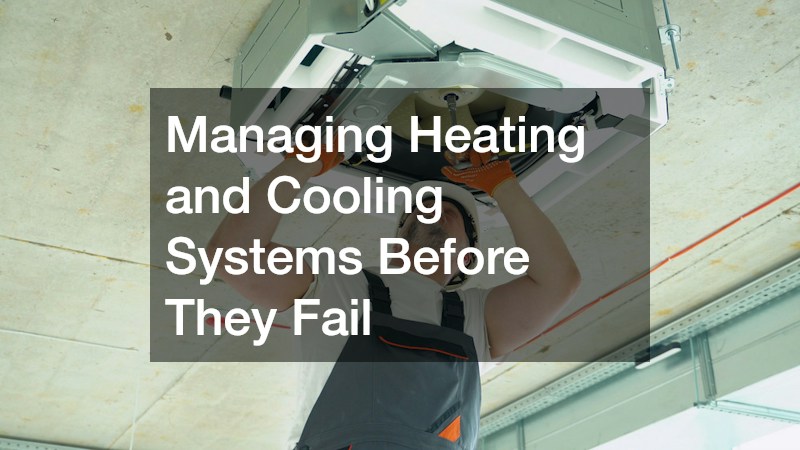
Climate control systems are essential to daily operations, whether you’re running a warehouse, retail store, or office building, and knowing when to call for heating repair versus replacement can save thousands of dollars. A unit under ten years old with a single failed component, like a blower motor or thermostat, is almost always worth repairing. But once a system starts requiring service calls multiple times a year, or the repair cost exceeds 50 percent of a new unit’s price, replacement becomes the more sensible investment.
Energy efficiency is another factor that often gets overlooked in this decision. Older systems can lose significant efficiency over their lifespan, meaning a new unit may pay for itself through lower utility bills even if the upfront cost feels steep.
- Track repair frequency and cost over the past 24 months
- Compare your system’s SEER or AFUE rating to current efficiency standards
- Ask a technician about the availability of replacement parts for older models
- Factor in whether the unit still uses phased-out refrigerants
Choosing Between Fencing Repairs and Full Perimeter Replacement
Perimeter security and property boundaries matter for businesses of all types, and fencing is an asset that tends to degrade gradually until a decision can’t be avoided. Aluminum fences are popular for commercial properties because they resist rust and require minimal upkeep, but even they can suffer from bent panels, loose posts, or fading finish after years of exposure. Minor damage, like a single dented section or a loose gate hinge, is almost always cheaper to repair than replace.
However, if the underlying posts have shifted due to ground movement or the fence no longer meets current security or code requirements, a full replacement is the more responsible choice. Businesses in industries with strict liability concerns, like childcare centers or industrial sites, should lean toward replacement sooner rather than risking a safety gap.
- Inspect post foundations for cracking or leaning at least once a year
- Check for gaps or shifting that could create a liability risk
- Confirm the fence still meets local code and insurance requirements
- Compare repair costs against the remaining expected lifespan of the material
Handling Heavy Equipment and Machinery Wear Points
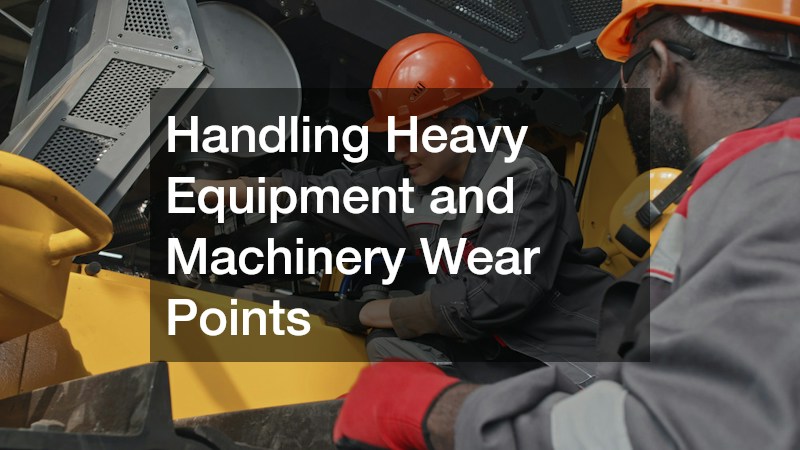
Equipment used in construction, agriculture, and landscaping takes a beating, and certain wear parts are designed to be replaced far more often than the machine itself. Carbon grader blades, for instance, are a wear component on grading equipment that naturally dulls and thins with use, and replacing them on schedule is far cheaper than damaging the underlying machine. Waiting too long to swap a worn blade can lead to uneven grading results and added strain on the equipment’s hydraulic system.
The broader lesson applies to most heavy machinery: distinguish between components that are meant to be consumable and the core machine itself. If the core frame or engine is still sound, replacing wear parts on schedule extends the asset’s useful life significantly.
- Keep a maintenance log tracking wear part replacement intervals
- Inspect blades and cutting edges for uneven wear patterns
- Buy quality replacement parts rather than the cheapest option available
- Watch for secondary damage caused by delaying a known wear part swap
Handling Job Site Waste and Debris Removal Decisions
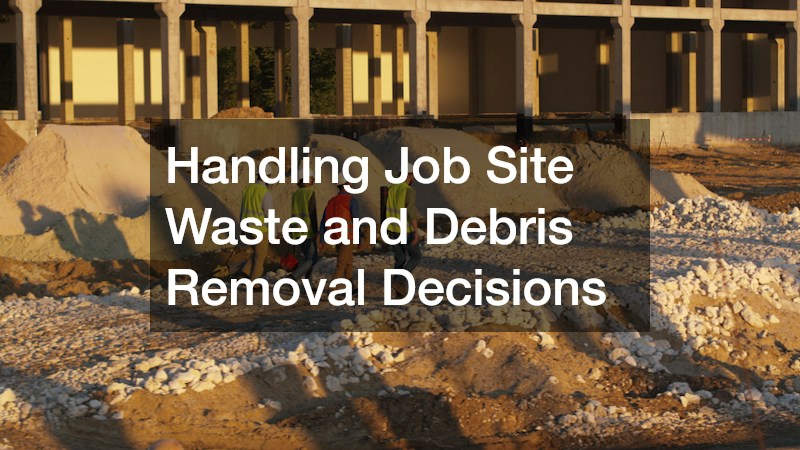
Any time you’re repairing, replacing, or decommissioning a business asset, you’re going to generate waste, and planning for it ahead of time avoids costly delays. Renting a roll off dumpster is often the most efficient way to handle debris from a roof tear-off, equipment removal, or building renovation, since it keeps the site organized and reduces liability from scattered materials. Sizing the dumpster correctly matters, because underestimating volume means paying for a second haul, while oversizing wastes money on unused capacity.
Local regulations also affect this decision, since some materials, like certain metals or chemicals, may require separate disposal rather than going into a general debris container. Planning debris removal as part of your project budget from the start, rather than as an afterthought, keeps the entire replacement or repair project on schedule.
- Estimate debris volume based on square footage or equipment size
- Ask your hauler about weight limits to avoid overage fees
- Separate recyclable materials like metal or concrete when possible
- Schedule pickup in advance for time-sensitive projects
Assessing Temporary and Semi-Permanent Structures on Your Property
Businesses in agriculture, storage, and light industrial sectors often rely on structures that aren’t quite permanent buildings but still represent a significant investment. Hoop buildings are a common example, offering an affordable, quickly assembled option for storage or equipment shelter, but their fabric or metal covering has a finite lifespan, often 15 to 20 years depending on climate exposure. Tears, UV degradation, or frame rusting are signs that a covering needs replacement well before the structure becomes unusable.
The decision to repair versus fully replace one of these structures usually hinges on the frame’s condition rather than the covering alone. If the steel frame is still straight and free of significant rust, replacing just the fabric or metal skin is a smart, budget-friendly move that can add another decade of service life.
- Inspect covering material annually for tears or brittleness
- Check frame connections for rust or loosening bolts
- Compare the cost of re-covering versus a new structure
- Factor in snow load and wind ratings for your region
Evaluating Marketing and Display Assets for Ongoing Value
Not every business asset is structural or mechanical; some are tied directly to how you present your company to customers and prospects. A custom trade show booth is a significant investment, and after several years of transport, assembly, and disassembly, wear becomes visible in the form of scuffed panels, faded graphics, or malfunctioning lighting. If the core frame and structure are still solid, updating graphics and refreshing worn components is usually far cheaper than commissioning an entirely new build.
However, if your branding has changed significantly or the booth no longer reflects your current product line, walking away from the old design in favor of a new one may deliver better returns than repeated patchwork. Consider how often you exhibit and whether the booth still creates the impression you want in front of potential clients.
- Inspect frame and hardware for structural wear between events
- Update graphics before considering a full rebuild
- Track the cost of repairs against the price of a new modular design
- Reassess booth design when your branding or offerings shift significantly
Investing in Water Systems for Operations and Emergency Preparedness
Reliable water access is critical for many businesses, particularly those in food service, construction, or remote operations, and portable water purification systems have become an important asset for companies that need clean water without relying entirely on municipal infrastructure. These systems typically use filtration and disinfection stages that require regular maintenance, and filters or membranes need replacement on a schedule to keep output safe and consistent. Ignoring maintenance schedules is the most common reason these systems fail when they’re needed most.
When deciding whether to repair or replace a unit, consider whether the core filtration housing is still intact and whether replacement parts remain available from the manufacturer. If a system is discontinued and parts are hard to find, upgrading to a newer model often makes more sense than trying to keep an aging unit limping along.
- Replace filters and membranes according to manufacturer schedules
- Test output water quality periodically, not just when problems arise
- Confirm parts availability before committing to a repair
- Consider capacity needs if your business has grown since initial purchase
Deciding whether to repair, replace, or walk away from a business asset rarely has a one-size-fits-all answer, but the framework stays consistent: assess honestly, compare costs against remaining lifespan, and factor in safety and liability before making a final call. Start by getting a professional evaluation of the asset in question, then use that information to compare realistic repair costs against replacement pricing over a five- to ten-year horizon. Taking this measured approach protects your budget and keeps your operations running smoothly, rather than leaving you scrambling after an unexpected failure.