
You budget for rent, utilities, and insurance, but the real financial drain on a commercial property often hides in plain sight. Small inefficiencies, delayed repairs, and overlooked systems quietly compound into thousands of dollars in losses every year. If you’ve ever wondered why your operating costs keep creeping up despite no obvious changes, the answer usually lies in the parts of the building you rarely think about. This guide breaks down the most common — and most expensive — blind spots so you can catch them before they catch you.
The Hidden Costs of Deferred Maintenance
Putting off small repairs rarely saves money the way it seems to. A roof leak that goes unpatched for a season can quietly soak insulation and framing, turning a 400 dollar repair into a 15,000 dollar structural rebuild once mold and rot set in. The same logic applies to cracked parking lot asphalt, which lets water seep into the base layer and freeze thaw cycles do the rest, eventually requiring full repaving instead of a simple seal coat. Every month a problem sits untouched, it tends to spread into adjacent systems, so what starts as an isolated fix becomes a cascade of related failures that cost far more to untangle later.
There is also a slower, less visible drain that comes from operating costs creeping upward while nobody notices. Dirty HVAC coils and clogged filters force equipment to work harder to hit the same temperature, which can raise energy bills by 20 to 30 percent without any single dramatic breakdown to flag the issue. Old caulking around windows and doors lets conditioned air escape year round, and a building owner often just accepts a higher utility bill as normal rather than tracing it back to a maintenance gap. Insurance is another blind spot, since carriers can deny claims or raise premiums if they determine that neglected upkeep, like an unaddressed plumbing leak or an outdated electrical panel, contributed to the damage. By the time these costs show up on paper, they are usually scattered across utility statements, insurance renewals, and emergency repair invoices, which makes it hard for an owner to see how much a single deferred task actually cost until the totals are added up.
How Roof and Drainage Problems Snowball
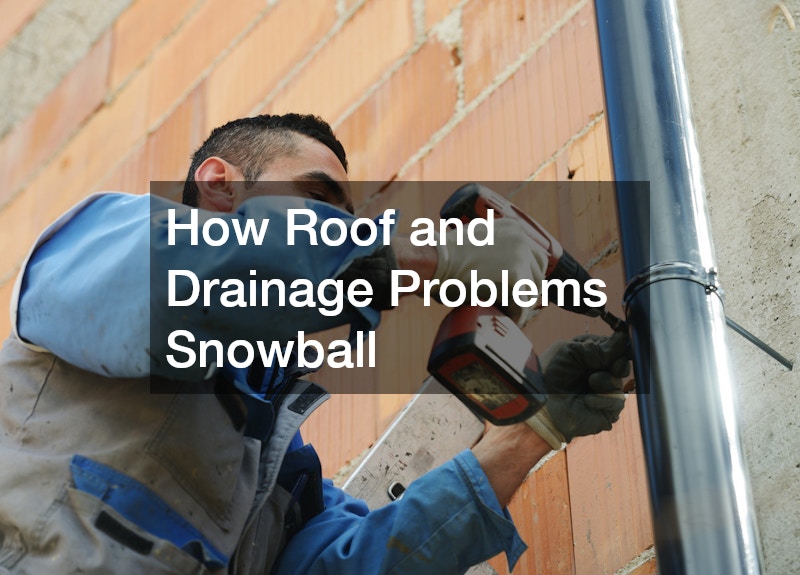
A small roof leak rarely stays small. Water finds the path of least resistance, so a pinhole opening above a break room ceiling today can be soaking into structural decking, insulation, and electrical runs within a matter of weeks. What starts as a minor repair estimate quickly multiplies once contractors open up a wall or ceiling and discover rot, mold, or corroded wiring that has been spreading unseen. Drainage issues follow the same pattern. When gutters, downspouts, or roof drains are undersized, clogged, or poorly pitched, water backs up onto the roof membrane instead of flowing away from the building, accelerating wear on materials that were never designed to sit in standing water. This is why outdated commercial gutter installation is often the hidden root cause behind roof failures that owners initially blame on the membrane itself.
The financial snowball happens because each system depends on the other to function properly. A roof drain clogged with debris forces water to pool, which adds weight, stresses seams, and shortens the membrane’s lifespan by years. Meanwhile, overflowing gutters send water cascading down exterior walls, eroding mortar, staining facades, and eventually seeping into foundations. By the time these problems become visible from the ground, the damage underneath has usually been compounding for months or longer, turning what could have been a low-cost fix into a five or six-figure structural repair.
- Water stains or discoloration on interior ceilings, especially near exterior walls
- Sagging or ponding areas visible on the roof surface after rainfall
- Gutters or downspouts overflowing during moderate rain rather than a downpour
- Peeling paint, efflorescence, or crumbling mortar along the building exterior
- Musty odors or visible mold growth in upper-floor rooms or storage areas
Security Gaps That Cost More Than You Think
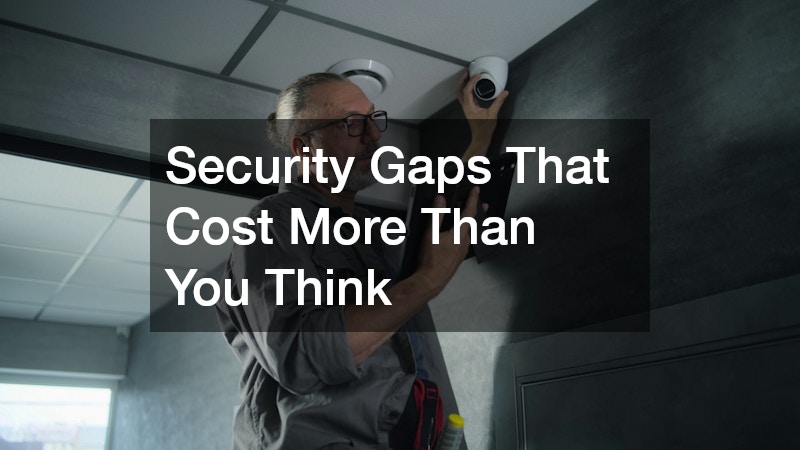
Most property owners think about security in terms of break-ins, but the real cost shows up in slower, quieter ways: unauthorized after-hours access, employees or tenants propping open doors for convenience, and outdated locks that make it easy for old keys to keep circulating long after someone has left the building. Every one of these gaps is a liability waiting to surface, whether through theft, vandalism, liability claims, or higher insurance premiums. Commercial surveillance cameras that are outdated, poorly placed, or simply not monitored give a false sense of protection while doing little to actually deter incidents or provide usable footage when something goes wrong. Meanwhile, many owners only think to call commercial locksmiths after a lock has already failed or a break-in has occurred, rather than treating access control as an ongoing part of property upkeep.
The financial bleed from these gaps rarely shows up as one dramatic loss. Instead, it accumulates through small, avoidable incidents: a rekeying job that gets delayed for months, a camera blind spot that lets minor theft go unnoticed for a year, or an insurance audit that flags weak security measures and raises your premium. Reviewing your property’s access points and monitoring systems on a regular schedule, rather than only after something happens, is one of the simplest ways to stop this slow drain before it adds up.
- Exterior doors and gates that do not fully latch or lock automatically
- Key copies still in circulation from former employees, tenants, or contractors
- Camera footage that is grainy, poorly angled, or not actually being reviewed
- Shared access codes or master keys that have never been changed
- Entry points without any visible deterrent, like lighting or signage
When Equipment Failures Bring Operations to a Halt
A walk-in cooler that stops holding temperature overnight, an HVAC unit that quits during a heat wave, or a water heater that fails right before opening can cost far more than the repair bill itself. Every hour those systems sit broken, you may be losing inventory, turning away customers, or paying staff to stand around waiting for the building to become usable again. Restaurants and retail spaces are especially vulnerable because so much of their daily revenue depends on equipment that runs continuously, and a single breakdown can spoil food, halt service, or force an early closure. What often gets overlooned is that these losses compound quietly. A refrigeration unit that struggles for weeks before finally failing has already been costing you money in wasted energy and spoiled product long before the visible breakdown happens.
Because commercial equipment tends to fail at the worst possible moment, many property owners end up paying rushed, after hours rates for commercial appliance repair simply because they had no warning the equipment was close to failing. Building a habit of tracking how your major systems are performing, listening for unusual noises, watching for inconsistent temperatures, or noting when a unit runs longer than it used to, gives you a chance to schedule repairs before they become emergencies. It also helps to keep a simple log of past issues for each major appliance or system, since recurring problems are often a sign that a piece of equipment is nearing the end of its useful life rather than needing another one off fix. Thinking about equipment failure as a financial risk, not just an inconvenience, changes how seriously it gets addressed and how much money quietly slips away before anyone notices the pattern.
Overlooked Compliance Risks in Food Service Spaces
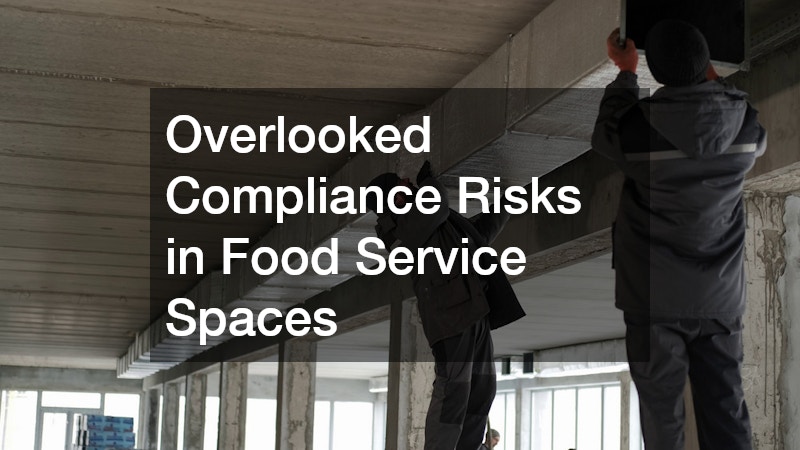
If your commercial property includes a restaurant, cafe, or any tenant with a kitchen, you are sitting on a pile of fire and health code obligations that most property owners never fully understand until an inspector shows up or, worse, a fire breaks out. Grease buildup inside exhaust systems is one of the leading causes of commercial structure fires, and insurance carriers know it, which is why many policies require documented proof of regular commercial kitchen hood cleaning before they will honor a claim tied to a kitchen fire. Skipping this maintenance does not just risk a citation, it can void coverage entirely at the exact moment you need it most, turning a routine expense into a six figure loss.
Beyond grease and fire risk, food service tenants introduce plumbing and pest pressures that quietly damage the building itself. Grease trap failures send fats and oils into drain lines that were never designed to handle that volume, leading to backups that can flood adjacent units and rot subflooring long before anyone notices a smell. Pest activity drawn in by food waste can also trigger health department violations that apply to the entire property, not just the offending tenant, putting your certificate of occupancy at risk. Property owners who treat these systems as the tenant’s problem alone often find themselves absorbing the cleanup costs anyway once the lease ends or litigation begins.
- Grease trap and interceptor pumping schedules, and whether records are kept on site
- Hood, duct, and exhaust fan cleaning frequency required by your local fire code
- Pest control contracts covering both the kitchen and shared walls or chases
- Fire suppression system inspection tags and expiration dates
- Floor drain and grease line camera inspections to catch buildup before backups occur
Perimeter and Property Boundary Vulnerabilities
The edges of your property are easy to overlook because they don’t demand daily attention the way a leaking roof or broken HVAC unit does, but that neglect is exactly what makes boundary areas such a quiet drain on your budget. Sagging gates, rusted chain link, or rotting wood sections along a property line often go unnoticed for months, during which time they invite unauthorized foot traffic, dumping, or even squatters setting up on unused land. Once that happens, you’re looking at cleanup costs, potential liability if someone gets hurt on your property, and sometimes fines from the city for code violations you didn’t even know existed. A damaged or poorly maintained commercial fencing line also signals to potential tenants and customers that the property isn’t well cared for, which can quietly erode the perceived value of your business even if the interior is immaculate.
Beyond appearances, boundary weaknesses create real security gaps that lead to theft of equipment, materials, or parked vehicles, and insurance claims tied to break ins often come with deductibles and rate increases that outlast the incident itself. Drainage issues along property lines are another hidden cost, since fencing and retaining structures installed without proper grading can trap water against foundations or parking lot edges, accelerating cracking and erosion you’ll eventually have to repair at a much higher price than routine maintenance would have cost. Walking your entire perimeter twice a year, checking gate hardware, looking for leaning posts, and confirming that survey markers still match your records can catch small problems before they become expensive disputes with neighboring property owners or costly repairs after the damage has already spread inward.
Energy Loss Through Windows and Storefronts
 Large storefront windows and glass facades give commercial buildings curb appeal, but they are also one of the biggest culprits behind rising utility bills. Standard single-pane glass and aging window frames allow heat to escape in winter and let outdoor warmth flood in during summer, forcing HVAC systems to run longer and harder just to maintain a comfortable temperature. Over time, seals around window frames break down, gaps widen, and glazing that once fit snugly starts letting conditioned air seep out unnoticed. Because these losses happen gradually, most property owners never connect the dots between a drafty entryway and a spiking energy bill until the numbers become impossible to ignore.
The type of glass installed matters just as much as its condition. Older buildings often rely on glass that was never designed with energy efficiency in mind, while newer insulated or low emissivity options can dramatically reduce heat transfer. If you are noticing inconsistent temperatures near windows or a general sense that your storefront never quite feels climate controlled, it may be worth getting an honest assessment of your glazing from a commercial glass company that can evaluate whether your current windows are actually working against you. Even without a full replacement, small upgrades and consistent maintenance can meaningfully slow the amount of energy that leaks through glass surfaces every day.
- Visible condensation or fog between glass panes, signaling a broken seal
- Noticeable drafts or temperature differences near windows and entry doors
- Cracked, dried out, or missing caulking and weatherstripping around frames
- Higher heating and cooling costs despite no change in building usage
- Sunlight causing uneven hot spots inside near large glass areas
The Business Impact of Outdated or Damaged Signage
A faded, flickering, or crooked sign might seem like a cosmetic issue, but it quietly costs property owners far more than most realize. Studies on retail visibility consistently show that a large share of first impressions are formed within seconds of someone seeing a building from the street, and damaged or outdated signage signals neglect before a visitor ever walks through the door. That perception translates into real losses: fewer walk-ins, lower perceived property value during appraisals or lease negotiations, and tenants who hesitate to renew a lease at a location that looks tired or forgotten. Even something as small as a burned-out letter on an illuminated sign can make an entire property feel abandoned after dark, which discourages foot traffic and can make the surrounding area feel less secure.
The financial drain often extends beyond appearances. Older signage may rely on outdated lighting technology that consumes far more electricity than modern alternatives, quietly inflating utility bills month after month. Cracked panels, rusted frames, or peeling vinyl can also violate local code requirements, exposing owners to fines or forced removal orders that come with tight compliance deadlines. For multi-tenant properties, mismatched or poorly maintained signage creates a disjointed look that undercuts the professionalism of every business under that roof, making it harder to attract quality tenants willing to pay premium rent. When property owners eventually plan updates, thinking through custom business signs designed for durability and easy maintenance from the start can prevent this cycle from repeating, since well-built signage tends to hold its appearance and function far longer than generic, mass-produced options. In short, signage is not decoration sitting on the sidelines of a property’s finances; it actively shapes how much revenue that property can realistically generate.
Machinery Wear That Quietly Erodes Profit
Every commercial property has equipment quietly working behind the scenes, and most owners never think about it until something breaks down at the worst possible moment. Loading dock levelers, freight elevators, parking gate arms, and hydraulic lifts all rely on components that wear gradually, so the decline in performance is easy to miss day to day. A dock plate that lowers a little slower than it used to, or a gate that hesitates before opening, is not just an inconvenience, it is usually a sign that internal seals or fluid systems are breaking down. Left unaddressed, minor wear turns into major expense; a small fluid leak that could have been caught early often ends up requiring full hydraulic cylinder repair once seals fail completely and pressure can no longer be maintained.
The financial drain here is sneaky because it shows up in small increments rather than one big bill. A slightly underperforming HVAC compressor pushes utility costs up every single month. A freight elevator that strains on heavier loads accelerates wear on its motor and cables, shortening the lifespan of the whole system. None of these issues feel urgent in isolation, which is exactly why they pile up into significant losses over a year or two. Paying attention to subtle changes in sound, speed, and response time can help property owners catch problems while they are still cheap to fix.
- Unusual grinding, whining, or clunking noises from motors or lifts
- Equipment that takes noticeably longer to start or complete a cycle
- Visible fluid spots or residue near hydraulic components
- Rising utility bills without a clear change in usage
- Vibration or shaking during operation that was not present before
Planning Transitions Without Losing Money
Every gap between tenants or every relocation to a new space is a window where money quietly disappears if you do not plan for it. Utilities left running at full capacity in an empty unit, insurance policies that lapse or overlap, and lease overlap penalties can all add up before you even notice a problem. A smart approach is to map out the transition on a calendar, marking the exact day service contracts end, when final walkthroughs happen, and when new occupants take possession, so there is no accidental double payment or unpaid gap that triggers late fees. If you are coordinating a move of equipment, furniture, or inventory during this window, getting quotes from local movers early gives you a realistic budget and timeline instead of a rushed, last minute scramble that tends to cost more.
It also helps to separate the costs that follow the property from the costs that follow the business. Things like signage, security deposits, and prepaid maintenance contracts sometimes get forgotten in the shuffle, and property owners end up paying twice, once at the old location and again at the new one, simply because nobody canceled or transferred them in time. Before any transition, sit down with your lease documents and service agreements and make a simple list of what needs to be canceled, what needs to be transferred, and what needs to start fresh. Building in a short buffer period, even just a week, between vacating one space and fully committing to another gives you room to catch billing errors, confirm refunds on deposits, and avoid paying for two properties at once when a single overlap day was never actually necessary.
Every dollar leaking out of your commercial property adds up faster when it goes unnoticed month after month. The good news is that most of these losses are preventable once you know where to look and how to act early. Start by walking your property with fresh eyes, noting the small issues you’ve been putting off, and prioritize the ones with the highest financial impact. Taking action now will protect both your budget and your peace of mind for years to come.