One of the most common mistakes homeowners make during a remodel is focusing on finishes before fundamentals. It’s tempting to start with what you can see—new flooring, fresh paint, stylish fixtures—but doing so often leads to rework, unexpected expenses, and delays. A successful remodel depends on upgrading your home in the right order, with careful attention to how each component affects the next.
This guide breaks down remodeling priorities into a clear, logical sequence. By addressing critical systems first, preparing surfaces properly, and handling exterior improvements at the right time, homeowners can protect their investment, stay on budget, and achieve results that last for decades—not just until the next repair.
Start With Core Mechanical Systems That Affect the Entire Home
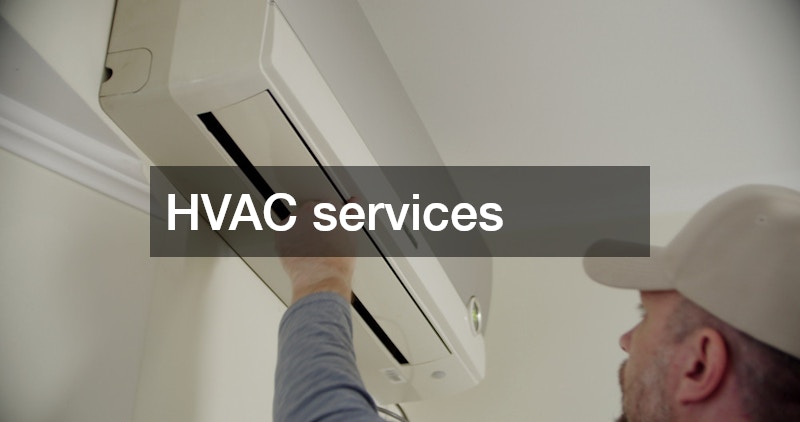
Mechanical systems quietly influence every aspect of daily comfort, yet they are often overlooked until problems arise. During a remodel, changes to layout, insulation, ceiling height, or room usage can significantly alter how air moves through a home. If heating and cooling systems aren’t evaluated first, even well-designed renovations can result in hot and cold spots, noisy operation, or rising energy costs.
A thorough assessment by a qualified professional should be the first step. This evaluation goes beyond checking whether equipment still turns on. It examines how efficiently the system operates, whether airflow is balanced throughout the home, and if existing components can support the remodeled space. Older homes frequently reveal shortcomings during this process, such as undersized equipment, leaky ductwork, or outdated controls that can’t keep up with modern living demands.
Several factors make early upgrades essential:
-
Hidden infrastructure conflicts: Ductwork and vents are often concealed behind walls or under floors. Remodeling without addressing them can lock in inefficient layouts or require destructive changes later.
-
Layout-driven demand changes: Adding square footage, opening floor plans, or converting spaces changes how much heating and cooling each area needs.
-
Compatibility with efficiency upgrades: New insulation, windows, and sealing can affect system performance, sometimes requiring recalibration or replacement.
Homeowners should also consider whether heat pump repairs are a short-term solution or merely a temporary fix. For newer systems with minor issues—such as worn components or calibration problems—repairs may restore performance effectively. However, older systems approaching the end of their service life can become a financial drain, especially after remodeling increases system demand. Replacing outdated equipment before finishing interiors avoids the risk of tearing into completed spaces later.
Addressing mechanical systems early delivers several long-term benefits:
-
Consistent comfort: Every room, including additions and remodeled spaces, receives proper temperature control.
-
Improved efficiency: Systems operate closer to optimal levels, reducing monthly energy expenses.
-
Design flexibility: Remodel plans aren’t limited by outdated or poorly placed equipment.
-
Reduced future disruptions: Major upgrades are completed before finishes are installed, protecting new materials.
By prioritizing HVAC services at the beginning of a remodel, homeowners create a reliable foundation that supports comfort, efficiency, and durability throughout the entire project.
Address Electrical Capacity and Safety Before Opening Walls
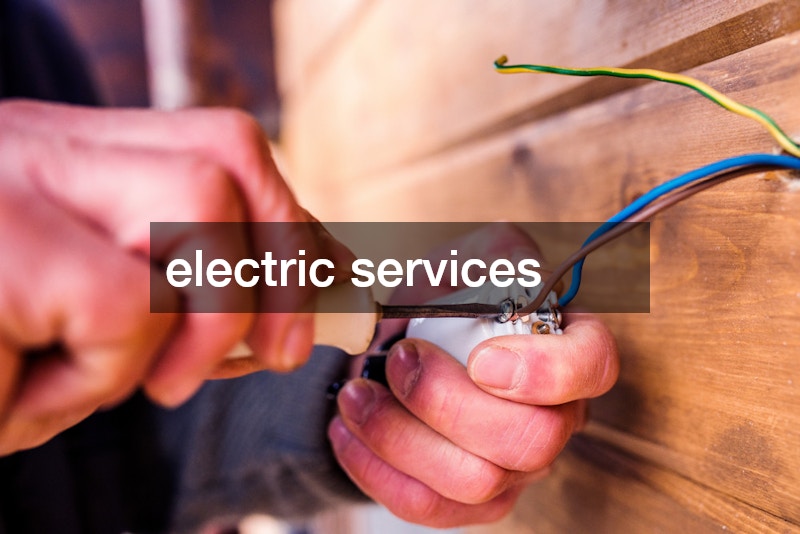
Electrical planning is a cornerstone of any successful remodel, yet it is frequently overlooked until after other work has begun. Modern lifestyles and updated home features often demand significantly more electricity than older systems were designed to handle. From high-powered kitchen appliances and sophisticated HVAC controls to home offices with multiple devices and layered lighting systems, these upgrades can easily overwhelm an outdated electrical setup if capacity is not verified in advance. Failing to address electrical needs early can result in frequent breaker trips, reduced equipment lifespan, and even dangerous safety hazards.
A detailed evaluation conducted by a licensed electrical company provides a clear roadmap of what your home’s system can handle and identifies areas that require upgrades. This inspection usually includes a comprehensive review of the main electrical panel, wiring materials and age, grounding integrity, and load distribution across circuits. In older homes, it is common to encounter undersized panels, outdated knob-and-tube or aluminum wiring, or circuit layouts that were never designed for modern household demands. Left unchecked, these issues can force costly emergency fixes in the middle of remodeling.
Several key considerations should guide electrical planning before walls are closed:
-
Electrical panel readiness: The main panel must have sufficient amperage to support current needs and allow for future expansion. Upgrading to a larger panel or adding subpanels may be necessary to prevent overloading circuits.
-
Smart layout planning: Outlet and switch placement should reflect the remodeled layout and anticipated furniture, appliance locations, and lighting schemes. This reduces the need for extensions or unsightly power strips.
-
Dedicated power needs: Certain areas, such as kitchens, workshops, laundry rooms, or home offices, require their own dedicated circuits. Allocating separate circuits prevents tripped breakers and voltage drops that can damage sensitive equipment.
-
Forward-looking upgrades: Remodeling presents an opportunity to future-proof the home. Planning for electric vehicle chargers, backup generators, solar panel integration, and home automation systems ensures that your electrical system will support evolving technology for years to come.
Early engagement of electricians and addressing electric services at the start of a remodel also streamlines workflow across all trades. With wiring installed while framing and drywall are open, plumbers, HVAC installers, and general contractors can coordinate efficiently. This sequencing minimizes rework, lowers labor costs, and prevents delays that might arise from having to retrofit electrical infrastructure after finishes are complete.
Safety considerations provide the most compelling reason to prioritize electrical upgrades. Increased electrical demand can expose weak points in older systems. Overloaded circuits, deteriorated wiring insulation, loose connections, or improper grounding can lead to overheating, fires, or equipment failures. Ensuring that all electrical systems are modern, code-compliant, and properly installed protects both the home and the occupants. Additionally, completing these upgrades early simplifies inspections and ensures compliance with local building codes, reducing the risk of costly violations or failed final inspections.
By addressing electrical capacity and safety at the outset, homeowners not only avoid disruptions later in the remodel but also create a safer, more reliable home environment. Early planning ensures the remodeled spaces function as intended, supports energy efficiency, and provides the flexibility to incorporate technological upgrades without compromise.
Prepare Interior Surfaces for Long-Term Results, Not Quick Fixes
Interior surfaces often carry the visual impact of a remodel, but what lies beneath the finish determines how well those surfaces perform over time. After mechanical and electrical work is complete, walls and ceilings frequently expose flaws that were previously hidden. Small cracks may widen, framing inconsistencies become more noticeable, and moisture damage can surface once insulation or drywall is disturbed. Addressing these issues thoroughly is essential before any finishing work begins.
Homeowners should resist the urge to rush through this phase. Proper preparation involves more than patching visible imperfections; it requires ensuring the underlying structure is stable and ready to support long-lasting finishes. This includes carefully repairing drywall and plaster, correcting uneven areas, and resolving any insulation gaps that could affect comfort or energy efficiency. Moisture concerns, in particular, must be fully addressed, as painting over damp or compromised surfaces almost guarantees future problems.
Key preparation steps include:
-
Replacing damaged drywall rather than layering over weak areas
-
Reinforcing corners, seams, and high-traffic zones
-
Sanding and leveling surfaces to create a uniform base
-
Sealing stains or repaired areas to prevent bleed-through
Partnering with experienced local painting companies during this stage can make a significant difference. Skilled professionals recognize that paint quality alone doesn’t ensure durability. They evaluate surface conditions, recommend appropriate primers and materials, and apply finishes using techniques that extend lifespan and improve appearance. Their expertise helps prevent common issues such as peeling, cracking, or uneven coverage.
After construction and surface prep are complete, local cleaning services play a vital supporting role. Fine dust from sanding and repairs can linger in the air and settle on surfaces, interfering with adhesion and finish quality. A thorough post-construction cleaning removes debris from floors, walls, fixtures, and vents, creating an environment suitable for final painting and inspections.
This final cleanup also allows homeowners and contractors to:
-
Spot minor defects that may need correction
-
Protect new flooring, cabinetry, and trim from abrasive residue
-
Ensure the space is truly ready for occupancy
Treating surface preparation and cleanup as integral parts of the remodeling process—not shortcuts—results in interiors that look better, wear more evenly, and maintain their quality for years to come.
Tackle Exterior Maintenance Issues Before Visible Upgrades

Exterior maintenance work may not deliver the instant visual payoff of new siding or fresh paint, but it plays a critical role in protecting those upgrades. When these foundational tasks are delayed, even high-quality exterior improvements can deteriorate prematurely. Addressing maintenance issues early ensures the home’s exterior environment is stable, accessible, and ready for lasting enhancements.
Tree trimming is one of the most impactful steps homeowners can take before exterior remodeling begins. Overgrown branches can scrape roofing materials, clog drainage systems with debris, and restrict airflow around the structure. In shaded areas, reduced sunlight can allow moisture to linger on surfaces, accelerating mold growth, rot, or paint failure. From a practical standpoint, unmanaged trees also create safety hazards and limit access for ladders, scaffolding, and equipment during construction.
Beyond vegetation, water management deserves careful attention. Evaluating and scheduling gutter services early helps prevent water intrusion while remodeling is underway. Construction activities often disturb soil, alter grading, or expose vulnerable areas, making proper drainage especially important during this phase.
Homeowners should take a close look at:
-
Whether gutters are securely fastened and sloped correctly toward downspouts
-
Evidence of staining, erosion, or foundation dampness caused by overflow
-
Areas where downspouts discharge water too close to the home
-
How planned exterior changes may increase roof runoff or redirect water flow
Correcting these issues before visible upgrades begin ensures that new materials aren’t compromised by preventable moisture problems. It also reduces the risk of delays caused by weather-related damage during construction.
By resolving maintenance concerns first, homeowners create a protective framework for future improvements. The exterior becomes easier to work on, more resilient to the elements, and better equipped to support the aesthetic upgrades that follow.
Finish With Functional Exterior Features That Improve Access and Protection

The final phase of a remodel is the point where practicality and presentation come together. By waiting until major interior and structural work is complete, homeowners can install exterior features with confidence that they won’t be damaged or need adjustment later. These finishing upgrades are often the most visible, but their true value lies in how well they protect and support the home long term.
Garage door installations are a prime example of an upgrade that benefits from being scheduled near the end of a project. Modern doors offer more than visual appeal—they contribute to energy efficiency, security, and everyday usability. Installing them after framing, electrical work, and interior finishes are complete ensures proper alignment and avoids the risk of impact damage from construction equipment.
When selecting and installing a new garage door, homeowners should carefully evaluate:
-
Insulation performance: Well-insulated doors help regulate temperatures in attached garages and adjacent living spaces.
-
Weather sealing: Tight seals prevent drafts, moisture intrusion, and pest entry.
-
System compatibility: Openers and controls should integrate smoothly with updated electrical components and smart features.
-
Design consistency: The door’s style, color, and materials should complement the home’s exterior finishes.
Water management also deserves final attention once construction is complete. A thorough gutter service ensures that drainage systems are fully operational and adjusted to reflect any changes made during remodeling. Rooflines, extensions, or new exterior features can alter how water flows, making post-project inspection essential.
This final stage typically includes:
-
Verifying downspouts direct water away from the foundation
-
Securing all gutter connections and fasteners
-
Clearing debris accumulated during construction
-
Testing drainage during rainfall or controlled water flow
Completing these upgrades last offers several advantages. Homeowners avoid accidental damage from ongoing work, ensure all exterior systems function together as intended, and gain the opportunity to conduct a detailed final walkthrough. Addressing any remaining issues at this stage helps close out the project with confidence, knowing the home is both protected and fully functional.
A successful home remodel isn’t just about what you upgrade—it’s about when you upgrade it. By prioritizing foundational systems first, preparing interior surfaces with care, and handling exterior improvements in a strategic sequence, homeowners can avoid costly mistakes and maximize the value of their investment.
Taking a thoughtful, step-by-step approach transforms remodeling from a stressful process into a manageable, rewarding experience. When each phase builds logically on the last, the result is a home that looks better, functions better, and stands the test of time.