
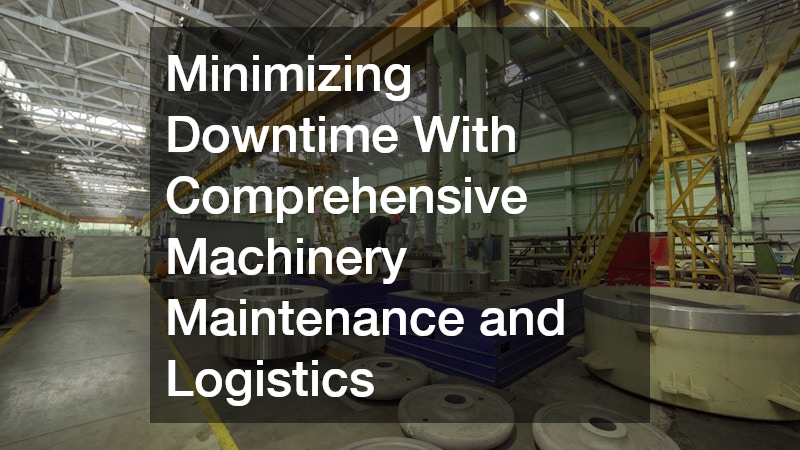
There is perhaps nothing more stress-inducing on a busy construction site than the sudden, agonizing silence of a vital machine shutting down unexpectedly. When a primary excavator, a massive crane, or an essential loader turns into a multi-ton paperweight, the financial bleeding begins immediately. It is never just the cost of the replacement parts that hurts the most; it is the brutal, compounding ripple effect of downtime. Your operators are left standing idle while still on the clock. The dump trucks scheduled to move earth queue up with nowhere to go. Dependent contractors are delayed, extending project timelines, incurring late penalties, and potentially damaging hard-won relationships with clients who expect precision and punctuality.
For decades, the construction and industrial sectors have largely operated on a “run it until it breaks” mentality. While this reactive approach might seem like a way to squeeze every ounce of life out of a machine, the math simply does not support it. Emergency fixes, overnight shipping of obscure components, and the sheer loss of productivity cost exponentially more than a disciplined, proactive approach. The modern project manager and fleet supervisor must fundamentally shift their operational philosophy from putting out fires to aggressively preventing them before a spark even catches.
This comprehensive guide is designed to dismantle the traditional, reactive approach to fleet management. By exploring deep-dive strategies across the entire lifecycle of fleet operations—from meticulous, data-driven preventive maintenance and rapid field triage, to intelligent fleet sourcing, rigorous material handling, and highly choreographed site-to-site transportation—we will outline a blueprint for operational resilience. This is about taking control of your timeline, protecting your profit margins, and ensuring that when the sun comes up on your job site, your fleet is ready to work.
Build a Non-Negotiable Preventive Maintenance Schedule
The foundation of any profitable fleet operation is a preventive maintenance program that is treated as absolute law. Maintenance can no longer be something that happens only when the schedule allows; it must be the very mechanism that makes the schedule possible. A robust program relies on a mix of daily vigilance, scientific analysis, and strategic partnerships.
To truly eliminate unexpected breakdowns, you need to look inside the machines long before external symptoms appear.
-
Implement Fluid Analysis Programs: You should never guess about the health of your engines and pressurized systems. By implementing a strict schedule of oil and fluid sampling, you can utilize laboratory spectroscopy to detect microscopic metal shavings, coolant leaks, or silica (dirt) ingress. If an analysis report shows elevated iron or copper, you know a bearing is wearing down, allowing you to schedule downtime on your terms rather than waiting for a catastrophic engine failure mid-project.
-
Digitize Daily Walkaround Checklists: The days of paper checklists stuffed behind a visor are over. Equip your operators with rugged tablets or mobile applications to conduct their pre-shift inspections. These digital checklists should require photos of wear points and force operators to verify fluid levels, check for weeping hoses, and inspect ground-engaging tools. If an anomaly is reported, it instantly alerts the maintenance supervisor, creating an immediate, auditable trail of accountability.
-
Partner with Specialized Maintenance Facilities: No in-house shop can do it all efficiently. You need established relationships with specialized vendors before a crisis hits. When a massive planetary gear fails or a custom undercarriage needs a complete rebuild, having a trusted partner for heavy equipment repair ensures you aren’t stuck at the back of the line. Vet these facilities during your slow season to ensure they meet your quality standards and turnaround times.
-
Schedule Deep Component Audits: Your pressurized systems are the lifeblood of your operation. Over time, high temperatures and constant pressure degrade O-rings, seals, and internal cylinder walls. Use your seasonal downtime to bring in professionals for comprehensive hydraulic repair services. Having experts meticulously tear down, reseal, and bench-test your cylinders and pumps ensures that when the busy season hits, your machines have maximum breakout force and reliability.
Create a Rapid Response Plan for Remote and Marine Assets
Even with the most rigorous preventive maintenance, the brutal reality of construction means that things will eventually break in the field. When your machinery is operating miles from the nearest paved road or working on a waterway, a minor breakdown can quickly escalate into a logistical nightmare. Surviving these scenarios requires a militaristic approach to rapid response and field triage.
The goal is to diagnose and resolve the issue within the “golden hour” of machinery failure, preventing a minor component issue from derailing the entire week’s schedule.
-
Stock Custom Field Repair Kits: Every foreman and site supervisor should carry a heavily outfitted field kit tailored to the specific machines on site. This shouldn’t just be basic wrenches. These kits need to include a wide variety of high-pressure O-rings, specialized diagnostic gauges, temporary hose wraps, and the exact specialized tools required to isolate pressure systems. If a machine drops a track or blows a standard fitting, your crew should have the immediate resources to secure it.
-
Establish Mobile Mechanic Protocols: When an issue surpasses the crew’s triage capabilities, you cannot afford the time and expense of lowboying the machine back to a shop. You must have an on site hydraulic service on speed dial. A fully equipped mobile mechanic truck, capable of cutting and crimping custom high-pressure hoses in the middle of a muddy field, can turn a potential three-day delay into a minor three-hour hiccup.
-
Address Water-Based Environmental Hazards: Working near or on the water introduces aggressive variables, primarily extreme moisture and galvanic corrosion. Machinery operating on docks, seawalls, or floating platforms requires specialized marine-grade lubricants and daily fresh-water washdowns. When propulsion or positioning systems fail on the water, the stakes are incredibly high. Having direct access to specialists capable of executing hydraulic barge motor repairs is absolutely critical to keep floating platforms positioned safely against strong currents and tides.
-
Cross-Train Operators on Basic Triage: Your operators are the first responders. Train them extensively on how to react when a failure occurs. They need to know exactly how to safely lower suspended loads, relieve system pressure, and perform basic lock-out/tag-out procedures. An operator who knows how to safely secure a bleeding machine prevents secondary environmental damage and keeps the site safe until the cavalry arrives.
Leverage Outsourcing to Fill Immediate Machinery Gaps
A major trap that many growing construction and logistics firms fall into is the desire to own every single piece of iron they operate. While owning core assets is financially sound, hoarding machinery leads to bloated storage costs, massive depreciation, and an overwhelming maintenance backlog. Smart fleet management requires balancing owned assets with highly strategic outsourcing.
Knowing when to leverage external partners is just as important as knowing how to fix an engine. It is about maximizing capital efficiency.
-
Track Fleet Utilization Rates: You must know exactly how often each machine is actually turning dirt. Calculate your utilization rates by dividing the hours a machine is billed to a project by the total available working hours in a month. If a specialized trencher or a massive articulated dump truck is sitting idle for 70% of the year, it is eating your profits through depreciation and insurance. Liquidate underutilized assets to free up capital.
-
Vet Regional Vendor Networks: You need to establish strong, active accounts with top-tier heavy equipment companies long before you bid on a massive project. Walk their yards, inspect their maintenance logs, and negotiate your rates during the off-season. Building these relationships ensures that when you suddenly need six extra bulldozers to meet a compressed deadline, you are treated as a priority partner, not a walk-in risk.
-
Bridge Maintenance Gaps with Temporary Assets: Never let a scheduled engine rebuild or an unexpected transmission failure stop your site. Incorporate heavy equipment rentals into your standard operating procedure. If your primary wheel loader goes down, a rental unit should be rolling onto your site within hours. This strategy transforms unpredictable downtime costs into predictable, manageable operating expenses that keep the project moving forward.
-
Standardize Operator Familiarization Training: Every manufacturer places their controls, sight glasses, and emergency shut-offs in slightly different locations. When a temporary machine arrives on site, you cannot simply throw an operator in the cab and hope for the best. Implement a strict 15-minute familiarization protocol where the operator reviews the specific load charts, tests the safety lockouts, and locates all emergency stops before turning a single key.

Standardize Safety Protocols for Material Handling
Moving massive amounts of material—whether lifting steel beams into the sky or dumping aggregate into a trench—is where the highest concentration of kinetic energy exists on a job site. It is also where catastrophic failures most frequently occur. Maintenance in this area is not just about productivity; it is a fundamental matter of life and safety.
A dropped load or a stuck dump bed creates instant chaos. Standardizing your approach to material handling limits these high-risk variables.
-
Conduct Rigorous Pre-Lift Inspections: Before any major lift, the entire rigging setup must be scrutinized. Slings, shackles, and wire ropes must be visually inspected for frays, kinks, or UV degradation. Furthermore, the lifting apparatus itself must be checked. Ensure that load moment indicators are calibrated and that outriggers are fully deployed on stable, compacted ground with proper cribbing.
-
Maintain Delivery and Dump Mechanisms: The flow of loose material dictates the pace of the entire site. If the trucks bringing in gravel or taking away spoils break down, the excavators have nothing to do. Pay strict attention to the maintenance of the lifting mechanisms on your transport vehicles. Regularly greasing pivot points, checking fluid reservoirs, and inspecting the cylinder rams of a hydraulic hoist for truck fleets will prevent beds from locking in the upright position or failing to lift under heavy, wet loads.
-
Develop Custom Rigging Plans: Never “eyeball” a complex lift. For asymmetric loads or picks that push the upper limits of a machine’s capacity, you must require an engineered lift plan. This plan should mathematically calculate the load’s exact center of gravity, detail the specific sling angles required, and account for dynamic factors like wind speed and ground bearing pressure.
-
Utilize Engineered Rigging Hardware: Do not cut corners on the hardware that connects your machine to the load. Homemade spreader bars or unrated chains are a massive liability. Invest in certified, professionally engineered heavy equipment lifting solutions. Utilizing proper spreader beams, custom lifting frames, and load-rated swivels ensures the load remains stable, prevents crushing damage to fragile components, and guarantees compliance with all occupational safety regulations.
Streamline Transportation Planning to Eliminate Bottlenecks
The most perfectly maintained machine is completely useless if it is sitting in a staging yard while the project site desperately needs it. Transporting massive, over-dimensional machinery across highways, through urban centers, and into tight construction sites is a high-stakes logistical puzzle. Bottlenecks here can delay project kickoffs by days or even weeks.
Mastering site-to-site transportation requires extreme foresight, meticulous permitting, and the right strategic partners.
-
Automate Route and Permit Approvals: Moving oversized machinery means dealing with local, state, and sometimes federal transportation departments. Do not wait until the machine is loaded to figure out the route. Map out primary and secondary routes weeks in advance, accounting for bridge weight limits, low overpasses, and construction zones. Dedicated logistics personnel should be managing the complex web of over-dimensional permits and scheduling necessary highway patrol escorts well ahead of time.
-
Outsource Complex Relocations: Moving a 100,000-pound excavator is vastly different from moving a pallet of bricks. It requires specialized multi-axle trailers, intricate load securement knowledge, and specific insurance policies. Instead of tying up your own crew and standard flatbeds, it is almost always more efficient to contract dedicated heavy equipment movers for massive relocations. These specialists absorb the liability and have the specialized rolling stock to navigate complex highway interchanges safely.
-
Create Site Mobilization Checklists: The destination site must be prepared before the transport trucks arrive. Too often, trucks arrive at a site only to find the entrance too narrow or the ground too soft to offload. Supervisors must complete a mobilization checklist that includes grading a specific staging area, removing low-hanging branches or power lines (with utility company approval), and establishing a clear, one-way traffic flow for the transport vehicles.
-
Partner with Specialized Flatbed Networks: For your mid-sized assets that don’t quite require multi-axle lowboys, you still need reliable transport. Develop a network of trusted freight brokers or asset-based carriers focused exclusively on heavy equipment hauling. Ensure these partners mandate strict chain-down procedures, utilize edge protectors to save your machinery’s paint and hoses, and understand how to properly balance weight across their trailer axles to avoid DOT weigh station delays.
Conclusion: Securing Your Project’s Profitability
Ultimately, the battle against downtime is won or lost long before the first shovel hits the dirt. It is fought in the maintenance bays, in the meticulous planning of logistics spreadsheets, and in the strategic relationships built with specialized vendors. While it may seem daunting to overhaul your operational procedures, the alternative—bleeding capital through unexpected breakdowns, idled crews, and blown deadlines—is simply unsustainable in today’s highly competitive industrial landscape.
Shifting your organization’s culture from a reactive stance to a proactive, highly choreographed operation requires discipline. It means investing time in digital checklists, committing budget to preventative fluid analysis, and refusing to cut corners on rigging safety or transportation planning. However, this upfront investment pays exponential dividends. When your site supervisors no longer have to worry about whether a machine will start, they can focus their energy entirely on executing the project safely, efficiently, and to the highest standard of quality.
Take an honest look at your current fleet operations today. Do not attempt to fix everything at once. Choose one critical area—whether that is digitizing your daily inspections, vetting a new vendor network for temporary assets, or standardizing your transport protocols—and implement it immediately. By systematically eliminating the variables that cause delays, you build an unshakeable foundation for consistent, profitable project delivery.