
The retail marketplace requires business owners to master a delicate balancing act. On one hand, a physical brick-and-mortar storefront must be warm, inviting, and visually captivating enough to draw customers away from their digital screens. On the other hand, it must function as a secure fortress that protects inventory, data, and employees from external threats. Achieving this dual objective is no small feat, as it requires an intentional fusion of creative design choices and rigorous risk-mitigation strategies. When executed correctly, a retail space becomes more than just a place where transactions happen. It transforms into a powerful brand asset that actively drives foot traffic while simultaneously safeguarding profit margins. Business owners who overlook either side of this equation often find themselves struggling with low visitor numbers or unexpected losses that erode their hard-earned revenue. By adopting a comprehensive approach to design and security, retailers can establish a sustainable framework for long-term growth, excellent community reputation, and operational stability in a changing marketplace. This careful coordination allows local brands to maximize their physical footprint and secure their market share against competitors.
Synchronizing Physical and Virtual Realities
Modern consumer behavior dictates that a shopper’s journey rarely begins at the physical entrance of a store. Instead, the path to a purchase often starts days or weeks prior on a smartphone, tablet, or desktop computer. Because of this shift, brick-and-mortar retailers must ensure that their physical environments match the sophisticated expectations established online. Integrating web discovery with physical visitation requires a seamless omni-channel strategy that captures local interest. Many successful retail operators lean heavily on comprehensive digital marketing services to build a robust online presence, manage localized search engine visibility, and run targeted campaigns that entice nearby shoppers to visit the physical store. This digital framework functions as an extended storefront window, allowing prospective buyers to explore product selections, view store hours, and read positive reviews before making a journey to the neighborhood location. When online messaging aligns perfectly with the real-world environment, it builds deep trust with consumers, ensuring that initial digital curiosity successfully translates into profitable, in-person foot traffic. This continuous flow between the digital and physical realms is absolutely vital for sustained brand growth. It forms the critical foundation for any modern storefront strategy.
Crafting a Compelling Exterior Identity
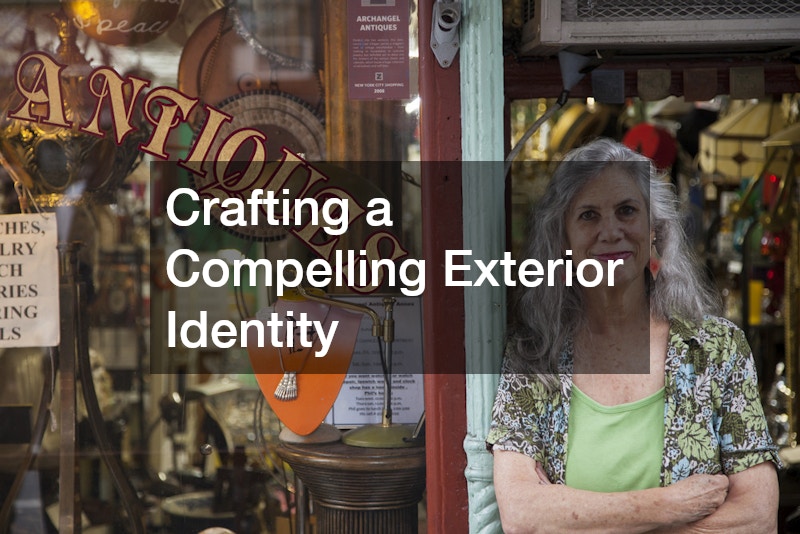
The immediate facade of a retail storefront acts as a silent salesperson, working twenty-four hours a day to communicate brand value to passersby. Within seconds, a pedestrian or driver makes a subconscious judgment about the quality, price point, and reliability of a business based entirely on its outward appearance. To capture attention in a crowded commercial district, the exterior elements must be both cohesive and striking. A custom, professionally manufactured business sign serves as the anchor for this visual identity, acting as a clear landmark that guides customers right to the front door. The choice of typography, illumination, and materials used in this primary signage must accurately reflect the core personality of the brand inside. Cheap or poorly maintained signage can actively repel affluent customers, whereas a clean, modern display signals professionalism, safety, and high standards. Investing in high-quality exterior branding elements guarantees that a retail business stands out from surrounding competitors, effectively compelling casual onlookers to halt their daily routines, appreciate the presentation, and step inside the showroom floor with confidence. This foundational asset transforms random drive-by glances into steady consumer visits.
The Impact of Pristine Surrounding Grounds
Visual appeal extends far beyond the immediate building facade and encompasses the entire surrounding environment, including walkways, sidewalks, and parking areas. A beautiful storefront can easily lose its charm if customers have to navigate through litter, leaves, broken twigs, or accumulated grime just to reach the entrance. Cleanliness communicates respect for the shopper and reflects the internal operational standards of the management team. Implementing a routine schedule for professional parking lot sweeping is an essential component of maintaining this crucial exterior presentation. Regular maintenance removes unsightly debris, prevents drainage blockages during heavy rains, and keeps the entire perimeter looking fresh, orderly, and welcoming. By investing in regular outdoor cleanup, a retail establishment signals to its neighboring community that it cares about public sanitation, property values, and local environmental beauty. In tandem with aesthetic value, clean concrete and asphalt surfaces drastically reduce the risk of accidental slips and trips, protecting the business from potential liability claims while keeping the main entrance completely immaculate for everyday guests. Operational cleanliness represents a basic pillar of customer satisfaction.
Designing Transparent Yet Formidable Facades
Natural light is one of the most powerful tools in commercial interior design, as it makes spaces feel larger, cleaner, and more energetic. Large, expansive glass windows allow retailers to showcase their best inventory to the outside world, creating dynamic visual merchandising displays that entice people to enter. However, these large sheets of glass also present a significant vulnerability if they are not properly engineered to withstand impact or forced entry. Striking the perfect balance between high visibility and structural integrity requires utilizing advanced glass technologies. Modern, energy-efficient window installations solve this dilemma by incorporating laminated, dual-pane, or impact-resistant glass structures. These systems allow maximum sunlight to flood the showroom while serving as an incredibly durable barrier against severe weather conditions and opportunistic property crimes. Additionally, proper thermal insulation in these large glass panes helps control indoor climate costs, ensuring utility bills do not drain monthly cash reserves while maintaining an open, beautiful aesthetic that invites exploration from the street.
Establishing Robust Access Control Systems
While glass aesthetics protect and enhance the storefront display during operating hours, the physical entry points require heavy-duty security mechanisms when the store closes for the night. Traditional locks are often insufficient against modern, sophisticated intrusion techniques, making it necessary to implement advanced locking hardware. Partnering with professional business locksmiths allows retail managers to assess potential weaknesses in their current security infrastructure and deploy specialized access control systems. These security experts can install high-security cylinders, heavy deadbolts, and electronic keyless entry systems that track exactly who enters and exits the facility at all times. This level of control is vital for reducing internal shrink and preventing unauthorized access to backrooms where high-value inventory or cash safes are located. These modern electronic locks can also be integrated with real-time smartphone alerts, giving store owners complete situational awareness even when they are away from the property, ensuring total perimeter peace of mind during weekends, holidays, and night shifts.
Setting the Psychological Mood with Color
Once a customer crosses the threshold and enters the retail floor, the interior design must work intentionally to prolong their visit and direct their movement. The colors painted on the walls play an essential role in shaping human psychology, directly influencing consumer moods, stress levels, and purchasing behavior. For instance, warm tones can stimulate excitement and impulse buying, while cooler shades promote calm deliberation and luxury perceptions. Enlisting a commercial painting service ensures that the application of these strategic color palettes is flawless and durable enough to withstand daily wear and tear. Professional painters understand how to use low-VOC, high-durability finishes that resist scuffs from shopping carts and fingerprints from curious children. A fresh layer of color can also act as an interior wayfinding tool, subtly drawing customer eyes toward new seasonal merchandise, promotional displays, or high-margin clearance walls. A crisp, immaculate coat of paint eliminates the drab appearance that can plague older buildings and creates a sense of renewed vitality throughout.
Enhancing Comfort and Sound Acoustics Underfoot
The choice of commercial flooring has a profound impact on how long a customer is willing to browse inside a retail establishment. Hard, unyielding concrete or cheap vinyl tiles can quickly cause physical fatigue, discouraging shoppers from exploring deeper sections of the store. Additionally, bare floors tend to reflect sound waves, creating an echo chamber that amplifies background noise and disrupts the shopping experience. Visiting a specialized commercial carpet store allows retailers to select high-performance, dense-pile flooring materials that absorb ambient noise and provide a cushioned walkway. The texture underfoot can create a cozy atmosphere in clothing boutiques or a premium, silent environment in high-end electronics shops. Modern modular carpet tiles are exceptionally popular in retail environments because they offer incredible design flexibility while being easy to clean, spot-treat, and maintain. Investing in premium textile flooring enhances the overall acoustic quality and physical comfort of the space, transforming it into an environment where customers enjoy spending time and browsing products at a leisurely pace.
Optimizing Staff Dynamics and Spatial Efficiency
The physical layout of a store and the allocation of human labor must work in perfect synchronization to maximize conversion rates and prevent operational bottlenecks. A beautiful space can quickly lose its competitive edge if customer service lines are too long or if the sales floor feels disorganized during peak hours. To prevent these inefficiencies, business owners must study the spatial flow of both customers and employees throughout the working day. Applying the advanced principles of workforce engineering allows management to design optimized staffing models that align perfectly with predictable foot traffic surges. This mathematical approach to labor deployment balances customer satisfaction with payroll efficiency, preventing both understaffing chaos and overstaffing financial drain. This systematic approach ensures that employees are positioned at high-value touchpoints, such as fitting rooms or custom demonstration counters, exactly when they are needed most, creating a smooth, professional, friendly, and attentive service experience for everyone involved.
Elevating Point-of-Purchase Tactile Marketing

In an environment saturated with digital screens and glowing monitors, tangible physical marketing assets possess a unique ability to capture a consumer’s undivided attention. High-quality product packaging, customized pricing tags, and printed informational brochures serve as vital physical touchpoints that reinforce brand luxury at the point of sale. To achieve a truly professional presentation, these printed items must feature exceptional craftsmanship, precise cuts, and premium textures. Developing a strong partnership with an experienced print finishing company allows a retail brand to add sophisticated embellishments, such as foil stamping, embossing, or custom die-cut designs, to their marketing collateral. These high-quality physical items complement online marketing channels by offering an organic, memorable interaction that digital banner advertisements simply cannot replicate. When every physical element exhibits premium tactile quality, it solidifies the store’s reputation for excellence, builds customer loyalty, and justifies premium profit margins over the long term.
Protecting Margins Through Data-Driven Fiscal Management
Every structural enhancement, cosmetic renovation, and marketing campaign requires a significant commitment of capital that must be carefully tracked and measured against return on investment. Retail operators cannot afford to make design decisions based entirely on emotion; every modification must make financial sense for the business. Maintaining financial health requires keeping transparent books, optimizing operational cash flow, and taking full advantage of relevant corporate tax deductions. Collaborating closely with local accountants ensures that all capital expenses related to storefront security and remodeling are meticulously logged, categorized, and depreciated according to current tax laws. These specialists also guide business owners through complex compliance regulations and employment tax credits, revealing hidden savings that can be reinvested directly into future store improvements. By anchoring physical design transformations to a foundation of strict fiscal discipline, retail business owners can confidently scale their brick-and-mortar operations while keeping profit margins thoroughly insulated from broader market shifts.
The ultimate success of a brick-and-mortar retail business depends on an integrated strategy that values creative presentation as much as physical security and financial precision. By transforming a basic commercial storefront into an immersive, secure, and operationally sound environment, business owners can thrive in a highly competitive economic landscape. Balancing beautiful design choices with proactive loss prevention tactics ensures that a business remains both highly appealing to the public and completely secure against structural risks. When every professional partner, from creative marketers to strict financial auditors, aligns toward the same goal, the retail space becomes a highly productive machine. Embracing this holistic masterclass approach guarantees that a retail brand will not only capture local foot traffic but will also successfully convert that traffic into sustainable, long-term profit margins for many years to come. Ultimately, blending fine aesthetics with uncompromising security creates a resilient retail space built for enduring economic success.