
Taking ownership or management of a commercial facility presents a complex series of ongoing operational responsibilities. Property managers must navigate physical infrastructure checks, tenant transitions, lease agreements, local regulatory obligations, and long-term capital planning. An organized onboarding process ensures that no critical detail slips through the cracks during this transition. When operational transitions are handled methodically, overall asset value stays protected, and tenant satisfaction remains high from day one.
The initial phase of onboarding requires a comprehensive review of existing vendor contracts, warranties, physical assets, and building utility records. A reliable commercial property maintenance service provides the essential backbone for ongoing facility operations, helping managers establish clear operational baselines across all building systems. Understanding existing mechanical setups, baseline energy consumption, and structural conditions prevents unexpected downtime later. Building managers should compile all legacy documentation, lease agreements, equipment specs, and prior inspection records into a centralized digital portal accessible to key personnel.
Beyond documentation, real-time physical assessments of core infrastructure are vital. Electrical systems, lighting controls, emergency shutoffs, and emergency backup power configurations require immediate evaluation by a licensed electrician to verify code compliance and operational safety. Early identification of panel overloads, loose connections, or outdated wiring saves thousands of dollars in future repair costs. By establishing a clear baseline early, management teams build genuine trust with property owners, corporate investors, and prospective occupants alike.
First Impressions and Exterior Signage Integration
Visual presentation directly influences tenant perception, visitor experience, and leasing performance across any commercial property. When onboarding a commercial location, evaluating exterior branding, directional wayfinding elements, and main tenant directories should be a top operational priority. Clear, well-maintained signage creates a professional atmosphere that reassures visitors, delivery drivers, and prospective occupants. Outdated, faded, or damaged signs convey neglect, which can harm the overall marketability and perceived value of the real estate asset.
Updating directional signage and tenant boards requires active collaboration with experienced local professionals. Partnering with a local sign business allows property managers to design, manufacture, and install clear, durable exterior and interior displays that align with local zoning laws and brand guidelines. High-visibility pylon signs, ADA-compliant room markers, directional monuments, and sleek directory boards set a clean, modern visual standard throughout the entire property. These visual upgrades make navigational flow simple and intuitive for everyone entering the facility.
In addition to permanent physical signage, printed collateral plays an essential role during tenant onboarding and building transitions. Working alongside a dedicated print shop guarantees that custom paper materials, site maps, parking passes, lease summary folders, and emergency contact guides are printed crisp and delivered on schedule. Physical informational packets distributed during tenant kickoff meetings show professionalism and meticulous attention to detail. Investing in high-quality visual assets early sets an elevated standard for the entire property management lifecycle.
Securing the Perimeter and Parking Facilities
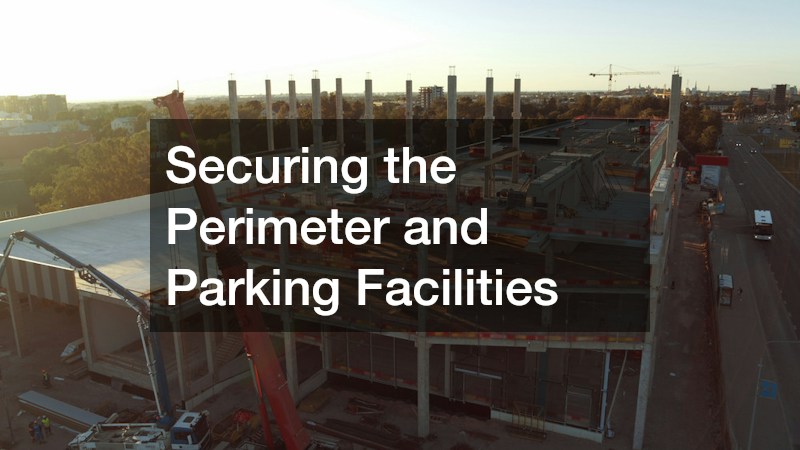
Perimeter safety and accessible vehicle pathways represent fundamental pillars of commercial site management. During onboarding, property teams must inspect every entry point, boundary fence, drive lane, loading zone, and parking area for safety hazards and structural wear. Unsecured entrances or deteriorating asphalt create liability risks that can lead to costly insurance claims, tenant complaints, or security breaches. A thorough review of perimeter security guarantees that access stays controlled while authorized visitors move freely.
Controlling access to loading docks, parking structures, and private driveways often requires specialized barrier systems. Installing or updating commercial security gates ensures that only authorized personnel enter sensitive zones after regular business hours. These systems require regular testing of electronic keypads, motor drives, safety sensor loops, remote transponders, and manual emergency override mechanisms to maintain unbroken operational safety. Properly secured perimeters reduce theft, prevent unauthorized dumping, and offer business tenants complete peace of mind.
Vehicle surfaces demand equal attention during the initial site evaluation process. Partnering with a skilled parking lot paving service ensures that asphalt surfaces are crack-sealed, resurfaced, and clearly striped according to local accessibility codes. Repairing deep potholes, levelling uneven sections, and line striping handicap stalls early prevents vehicle damage and trip injuries. A smooth, properly marked lot improves traffic flow, reduces standing water accumulation, and enhances overall property presentation from the second visitors pull off the main road.
Protecting Structural Systems and Roof Integrity
Structural integrity forms the absolute baseline of long-term commercial real estate preservation. Roof systems and plumbing networks are among the most expensive components to repair if neglected. During facility onboarding, a detailed physical examination of structural boundaries must occur before seasonal weather changes cause hidden damage to spread into occupied commercial suites. Early intervention keeps operational budgets predictable and protects physical property structures from costly degradation.
Roofing assemblies require meticulous evaluation to catch small leaks, membrane tears, or clogged roof drains before major storms hit. Engaging a local commercial roofer ensures that a certified specialist inspects flashing details, expansion joints, parapet walls, flashing boots, and surface drainage channels. Routine inspections help identify ponding water or solar degradation early, extending the total lifespan of the roofing system. Proactive roof care avoids sudden disruptions and expensive interior water damage for commercial tenants operating underneath.
Concurrently, interior water supply lines, backflow preventers, booster pumps, and sanitary drainage systems demand professional oversight. Hiring a qualified local plumber allows property managers to inspect main line shutoff valves, clear commercial grease traps, test backflow assemblies, and audit pressure levels across all floors. Fixing hidden pipe corrosion or slow drains early prevents catastrophic water damage that could halt business operations. A sound plumbing system guarantees compliant hygiene standards across all common restrooms and tenant utility spaces.
Indoor Environmental Standards and Sanitation
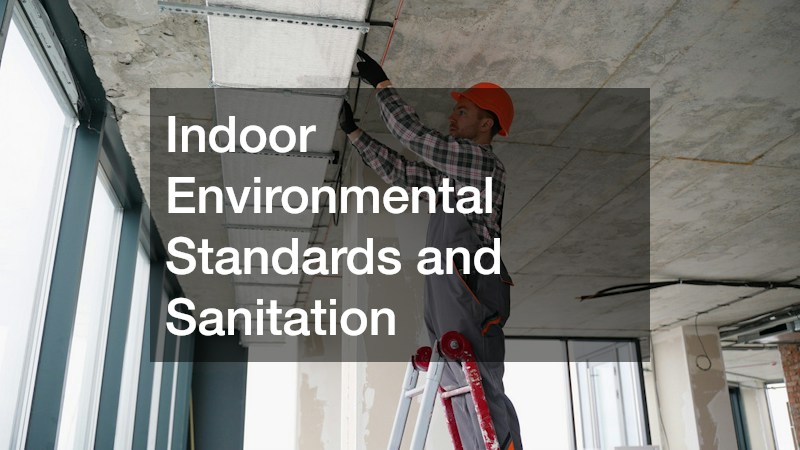
Maintaining clean, healthy indoor environments is crucial for tenant retention, workplace wellness, and overall safety. Commercial spaces suffer heavy daily foot traffic, bringing in dirt, moisture, dust, and microbes that wear down floor materials and interior finishes. An effective onboarding plan outlines clear sanitation standards, chemical safety guidelines, and daily cleaning schedules tailored to the specific layout, occupancy rates, and usage patterns of the facility.
Outsourcing deep cleaning tasks to a professional commercial cleaning service guarantees high standards across entry foyers, carpeted corridors, tile surfaces, elevator cabs, and shared executive conference rooms. Deep steam cleaning, floor stripping, waxing, window washing, and air vent dusting restore interior spaces to pristine condition during tenant turnover. A fresh indoor atmosphere creates an immediate positive impression on current tenants, visiting clients, and regulatory inspectors alike.
For ongoing daily maintenance, establishing a consistent schedule for janitorial cleaning ensures that waste bins are emptied, restrooms sanitized, floors swept, and high-touch surfaces disinfected every evening. Reliable night crews keep common spaces spotless without disrupting daytime business operations. Maintaining clean air filtration and sanitized rest areas reduces employee absenteeism for tenant businesses, adding real functional value to the property leasing experience over the long term.
Conducting Complete System Audits
Once basic inspections and immediate repairs are complete, management must establish formal auditing procedures for every mechanical, electrical, and structural component. System auditing transforms reactive maintenance into a streamlined, predictable operational workflow. Creating comprehensive digital asset registers helps managers track serial numbers, installation dates, warranty terms, replacement schedules, and service histories for every piece of facility hardware across the property.
Electrical infrastructure requires continuous monitoring as tenant power needs expand over time with new technology and heavy equipment. Scheduling regular secondary inspections with a master electrician ensures that electrical panels, surge protection systems, transformer units, distribution boards, and sub-meters handle current electrical loads safely. Thermographic imaging can detect overheating breakers before equipment fails, preventing sudden power outages. Safe power distribution keeps technology systems running seamlessly across all commercial suites.
Exterior promotional structures and architectural illumination also require ongoing audit cycles. Working periodically with a local sign business ensures that illuminated channel letters, LED boards, directional pylons, architectural accent lights, and parking lot light poles remain fully functional and visually striking. Replacing burnt-out bulbs, damaged acrylic faces, or rusted mounting hardware preserves visual appeal after dark. Systematic audits ensure that no building component falls into premature disrepair.
Structuring Long-Term Preventative Care
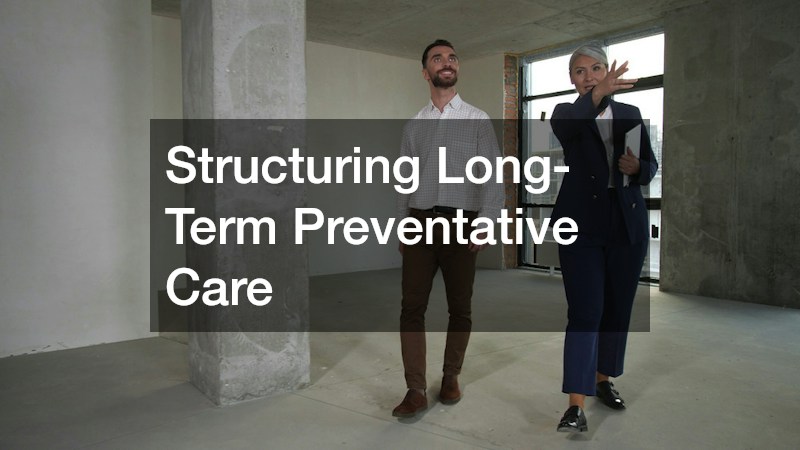
Preventative maintenance schedules protect commercial properties against premature aging, compliance violations, and sudden operational failures. Rather than waiting for equipment to break down unexpectedly, property managers must implement recurring service schedules for critical mechanical systems, entryways, and building envelopes. A structured preventative calendar spreads operational expenses evenly throughout the fiscal year and keeps maintenance crews fully accountable.
Roofing membranes, gutters, scuppers, gravel stops, and downspouts demand regular seasonal tune-ups to prevent severe water intrusion. Partnering with a trusted local commercial roofer for semi-annual roof maintenance ensures debris is cleared, pitch pockets are sealed, and flashing remains secure. Catching minor wear after major weather events prevents costly emergency call-outs and keeps manufacturer warranties intact. Proactive roof management extends structural life by decades while protecting capital reserves.
Automated physical barrier systems also require recurring preventative checks to ensure safety compliance and uninterrupted service. Scheduling routine servicing for commercial security gates prevents mechanical chain failures, motor burnouts, wiring degradation, or sensor malfunctions that could trap vehicles or compromise facility security. Lubricating moving hinges, testing safety reverse sensors, and updating digital access codes keep access points operating smoothly year-round. Consistent maintenance schedules minimize operational headaches for management staff.
Tenant Communication and Property Handbooks
Clear communication channels between building management, facility engineers, vendors, and tenant representatives are vital for smooth operations. Onboarding offers the perfect opportunity to establish clear tenant handbooks, emergency contact trees, and service request protocols. When tenants know exactly how to report maintenance issues or access building amenities, daily property operations run much smoother.
Providing clear physical rulebooks, safety maps, building policies, and emergency exit procedures requires reliable printing services. Utilizing a reputable print shop ensures that professional tenant manuals, fire evacuation charts, parking guides, directional maps, and tenant directory inserts are printed accurately and bound cleanly. High-quality physical documentation reflects a well-organized management team that prioritizes safety, clear communication, and tenant satisfaction.
Communication protocols must also cover emergency procedures for plumbing or utility disruptions. Informing tenants about emergency shutoff valve locations and providing immediate access to a trusted local plumber minimizes water damage during unexpected pipe breaks or supply failures. Quick communication paired with rapid contractor response times builds deep trust between tenants and management during high-stress operational emergencies.
Exterior Safety and Grounds Management
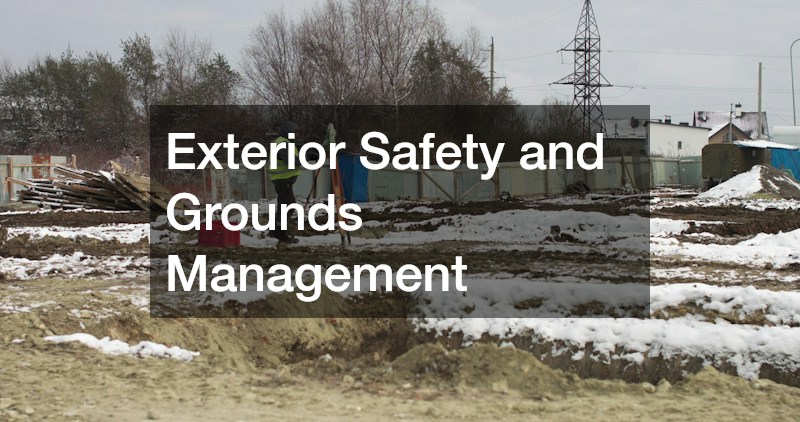
Exterior grounds, vehicle zones, and walkways require continuous care to ensure visitor safety and maintain property curb appeal. Exterior spaces are the first physical elements tenants and customers interact with each day. Keeping asphalt smooth, footpaths clear, and building facades clean safeguards the property against slip-and-fall liabilities, structural decay, and negative public perceptions.
Paved surfaces suffer constant wear from heavy delivery trucks, passenger vehicles, temperature fluctuations, and changing weather conditions. Securing a long-term contract with a reliable parking lot paving service allows property managers to plan routine sealcoating, crack filling, asphalt patching, catch basin cleaning, and drainage adjustments every few years. Addressing asphalt degradation early prevents deep base failure, saving property owners from costly full-depth pavement replacements. Safe, well-maintained parking zones enhance overall site usability.
Building facades, exterior glass, covered walkways, and sidewalk concrete also require recurring cleaning to remove oil stains, mold, atmospheric soot, bird droppings, and urban grime. Scheduling power washing through a trusted commercial cleaning service keeps exterior entries, loading bays, dumpster pads, and walkways looking immaculate. Clean exterior surfaces complement well-maintained pavement, giving the entire property a polished, professional finish that attracts high-caliber commercial tenants.
Sustaining Property Value and Tenant Satisfaction
Successful commercial property onboarding is not a one-time project, but the beginning of an ongoing, proactive operational strategy. By systematically auditing building systems, establishing clear vendor partnerships, and setting strict preventative maintenance schedules, property managers create safe, efficient, and profitable environments. Proper management protects overall asset value while maximizing tenant retention over time.
Daily operational excellence relies on dedicated support personnel keeping common spaces orderly, safe, and hygienic. Retaining a skilled team for janitorial cleaning ensures that restrooms, elevators, stairwells, lobbies, utility corridors, and shared breakrooms remain inviting every single business day. Consistent daily care protects interior floor finishes, reduces wear on high-touch fixtures, and fosters a healthy indoor environment that tenants truly appreciate.
Ultimately, partnering with a dependable commercial property maintenance service ties all these operational threads together seamlessly. From structural repairs and system upgrades to daily cleanliness and perimeter security, coordinated oversight ensures that every building component functions at peak efficiency. Property managers who follow a comprehensive onboarding playbook set their real estate portfolios up for lasting financial stability and long-term operational success.