

Bringing a new pet into your home is an exciting milestone, but it also comes with meaningful responsibility. While the joy of companionship often takes center stage, thoughtful preparation plays a crucial role in creating a smooth transition for both you and your new animal. Pets rely on consistency, structure, and attentive care, which means your lifestyle and living environment may need adjustments before adoption day arrives. Taking time to evaluate your readiness can prevent unnecessary stress and set the foundation for a long-term, positive relationship.
Preparing your home and lifestyle involves more than purchasing supplies. It requires an honest assessment of your daily habits, financial capacity, and available time. Pets thrive in stable environments where routines are predictable and expectations are clear.
Assessing Your Daily Schedule and Commitments
Before welcoming a pet, it is essential to evaluate how your current routine will accommodate a new companion. Pets require daily feeding, exercise, grooming, and attention, which means your schedule must allow for consistent interaction and supervision. Long work hours, frequent travel, or unpredictable commitments can impact your ability to meet these needs. Carefully reviewing your calendar and identifying available time for walks, play sessions, and training helps determine whether you are realistically prepared for the responsibility. Building flexibility into your routine can also help manage unexpected situations, such as illness or behavioral challenges.
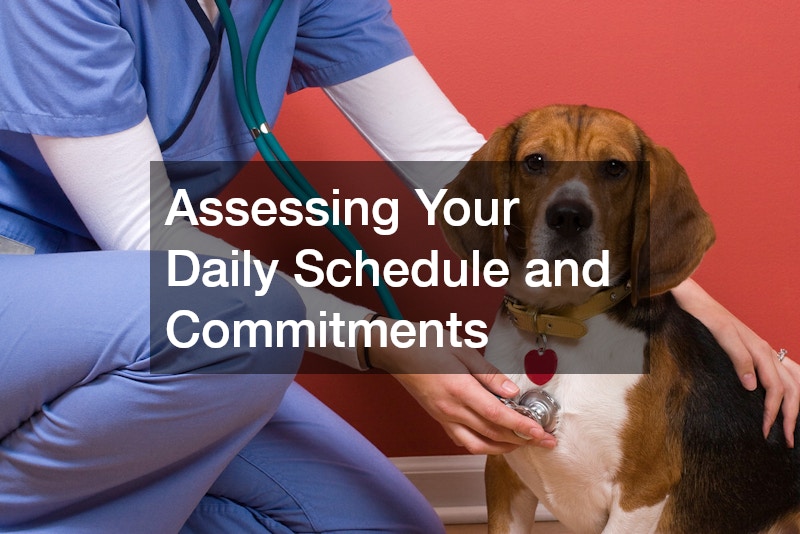
Beyond time management, you should also consider how regular health care visits will fit into your lifestyle. Establishing a relationship with a trusted veterinarian early on makes ongoing care more manageable and less stressful. Routine checkups, vaccinations, and preventative treatments require planning and consistency. By aligning your schedule with your pet’s needs and setting aside dedicated time for their care, you create a stable environment that supports physical health and emotional security. Thoughtful scheduling ensures your pet receives consistent attention rather than sporadic care, reinforcing trust and strengthening the bond you share.
Budgeting for Ongoing Pet Expenses
Financial readiness is another critical aspect of preparing for pet ownership. While the initial adoption fee or purchase price may seem like the primary expense, the ongoing costs often require more careful consideration. Food, grooming supplies, toys, training classes, and preventative medications all contribute to monthly spending. In addition, unexpected medical situations can arise at any time. Planning a realistic budget in advance allows you to confidently provide for your pet without financial strain. Setting aside emergency funds specifically for pet-related needs can help protect both your finances and your pet’s well-being.
Medical care, in particular, should be factored into your long-term budget. Routine wellness visits, vaccinations, dental cleanings, and diagnostic tests are important for maintaining health over time. In more serious cases, emergency treatment at an animal hospital may become necessary, and those costs can escalate quickly. Researching average veterinary expenses in your area and exploring pet insurance options can help you prepare for these possibilities. By approaching pet ownership with a clear financial plan, you reduce stress and create a more secure environment for your new companion to thrive.
Pet-Proofing Your Living Spaces
Preparing your home for a new pet begins with creating a safe and hazard-free environment. Just as parents childproof their homes, pet owners must identify potential dangers that curious animals could encounter. Electrical cords, toxic plants, cleaning supplies, and small objects that could be swallowed should be carefully secured or removed. Pets explore the world through chewing, scratching, and sniffing, so anticipating these behaviors can prevent accidents before they occur. Taking time to walk through your home at your pet’s eye level can help you notice overlooked risks and make necessary adjustments.
Entryways and exits deserve particular attention during this process. Installing secure barriers and inspecting custom doors for gaps or loose fittings can reduce the risk of escapes. Pets can quickly slip outside if doors do not close properly or latch securely. Reinforcing screens, adding door sweeps, and ensuring fences connect seamlessly with door frames create an added layer of protection. Pet-proofing is not about limiting freedom but about creating boundaries that promote safety. When your living spaces are thoughtfully prepared, you provide your new companion with the freedom to explore while minimizing preventable hazards.
Creating a Safe Sleeping Area
Every pet needs a designated space where they can rest and feel secure. A safe sleeping area offers comfort, stability, and a sense of ownership within the home. Whether it is a crate, a cushioned bed, or a quiet corner with soft blankets, this space should be located away from heavy foot traffic and loud noises. Establishing a consistent resting area helps pets settle into routines and reduces anxiety during the transition into a new environment. A calm and predictable sleeping arrangement also supports healthy sleep patterns, which are essential for growth and behavior.
Outdoor considerations may also influence your pet’s comfort and security. Installing a vinyl fence can provide a safe boundary for pets that spend time outside, preventing wandering and exposure to potential dangers. Ensuring gates latch properly and that fencing is tall enough to discourage jumping creates peace of mind. For indoor pets, positioning their sleeping space near familiar household activity without placing them in direct pathways can foster a sense of belonging while maintaining quiet. By thoughtfully planning both indoor and outdoor boundaries, you create a restful sanctuary that supports your pet’s physical safety and emotional well-being.
Stocking Up on Essential Supplies
Welcoming a new pet requires more than excitement; it requires preparation through the right supplies. Before bringing your pet home, gather necessities such as food and water bowls, appropriate food, bedding, collars, leashes, identification tags, toys, and grooming tools. Having these items ready ensures that your pet’s basic needs are met from day one. Thoughtful selection of products based on your pet’s size, breed, and age helps promote comfort and safety. Creating an organized storage system for food and supplies can also simplify daily routines and prevent last-minute stress.
Grooming is another important aspect of preparation. Researching reputable dog groomers in your area allows you to plan for regular coat maintenance and hygiene. Even short-haired breeds benefit from professional grooming services, including nail trimming and ear cleaning. Scheduling appointments in advance and understanding recommended grooming intervals will help you maintain your pet’s health and appearance. In addition to professional services, keeping basic grooming tools at home ensures you can manage routine brushing and care between visits. By stocking up thoughtfully and planning ahead, you establish a strong foundation for consistent care and responsible pet ownership.
Planning for Veterinary Care
Proactive veterinary care is one of the most important responsibilities of pet ownership. Establishing a health plan early helps prevent illness, detect issues sooner, and support long-term well-being. Routine exams, vaccinations, parasite prevention, and dental care all contribute to a strong foundation of health. Rather than waiting for a problem to arise, scheduling regular appointments builds consistency and familiarity for your pet. Animals that become comfortable with clinical environments often experience less stress during visits, making care more manageable over time.
When preparing for a new pet, many owners begin by searching for veterinarians near me to compare services, availability, and reviews. Choosing a provider who communicates clearly and offers comprehensive care is essential. It is also wise to ask about after-hours support, emergency procedures, and payment options. Creating a file with vaccination records, microchip information, and appointment notes helps you stay organized. By identifying a trusted provider before your pet arrives, you reduce uncertainty and create a structured approach to lifelong medical care.

Establishing Feeding and Exercise Routines
Consistency in feeding and exercise plays a significant role in your pet’s overall health and behavior. Pets thrive on predictable schedules, and establishing regular meal times helps regulate digestion and maintain a healthy weight. Portion control, high-quality nutrition, and access to fresh water are fundamental components of responsible care. In addition to nutrition, daily physical activity supports cardiovascular health, mental stimulation, and emotional balance. Structured exercise routines also reduce the likelihood of destructive behaviors that can result from boredom or excess energy.
Outdoor spaces should be evaluated to support safe activity. If your yard requires maintenance, coordinating with lawn services can help create a clean and pet-friendly environment free of hazards. Avoiding harmful chemicals and ensuring grass is trimmed reduces exposure to pests and toxins. Structured walks, play sessions, and enrichment activities such as puzzle toys further support healthy routines. By committing to consistent feeding and exercise habits, you establish a balanced lifestyle that promotes both physical vitality and behavioral stability.
Setting Household Rules and Boundaries
Clear rules and boundaries provide structure that helps pets adapt to their new environment. From the beginning, household members should agree on expectations regarding furniture access, feeding practices, and training commands. Consistency prevents confusion and reinforces positive behavior. Establishing boundaries does not mean restricting affection; rather, it creates clarity that helps your pet understand what is acceptable. Training sessions should be brief, positive, and repeated regularly to reinforce learning.
Partnering with a trusted vet clinic can also support behavioral guidance, as many clinics offer advice on training, nutrition, and preventive care. Veterinary professionals can help address early behavioral concerns before they become larger issues. Implementing tools such as baby gates, designated feeding areas, and consistent command language further reinforces household structure. When everyone in the home participates in maintaining boundaries, pets gain confidence and security.
Preparing Family Members for Responsibility
Welcoming a new pet into the household affects everyone, which is why preparing family members for shared responsibility is essential. Pets require daily care, attention, and patience, and those tasks should not fall on one person alone unless clearly agreed upon. Having open conversations about feeding schedules, walking duties, cleaning routines, and training expectations helps prevent misunderstandings. When each family member understands their role, the transition becomes smoother and more organized. Clear communication also reinforces consistency, which is critical for helping a pet feel secure in a new environment.
It is equally important to discuss safety guidelines and respectful interaction, particularly with children. Teaching younger family members how to approach, handle, and care for the pet reduces the risk of accidental harm. If your property includes features such as a pool designed by a pool builder, extra precautions should be taken to supervise pets around water. Establishing clear boundaries and demonstrating proper behavior builds a sense of accountability.
Arranging Care for Travel and Emergencies
Even the most dedicated pet owners will encounter situations that require temporary care arrangements. Vacations, work trips, and unexpected emergencies can disrupt daily routines, so having a backup plan is critical. Identifying reliable caregivers in advance prevents last-minute stress and protects your pet from sudden changes in environment. Whether you rely on trusted friends, professional sitters, or boarding facilities, researching options before they are needed gives you confidence and flexibility. Clear instructions regarding feeding, medications, and behavioral preferences help maintain continuity of care.
Exploring a reputable boarding kennel in your area allows you to evaluate cleanliness, staff qualifications, and safety procedures ahead of time. Scheduling a short trial stay can help your pet adjust gradually and reduce anxiety during longer absences. Additionally, preparing an emergency contact list that includes veterinary information and medical history ensures caregivers can respond quickly if needed. Keeping travel crates, identification tags, and updated records readily available further streamlines transitions. By planning ahead for both travel and unexpected events, you create a safety net that protects your pet’s well-being regardless of changing circumstances.
Preparing your home and lifestyle for a new pet is a meaningful process that extends far beyond the excitement of adoption day. From evaluating your schedule and budgeting for long-term expenses to pet-proofing your living space and establishing routines, each step contributes to a stable foundation. Thoughtful planning reduces stress, prevents avoidable problems, and allows your pet to settle into a predictable environment. When preparation is intentional, the transition feels smoother for both you and your new companion.
Pet ownership is a long-term commitment built on responsibility, patience, and consistency. By addressing medical care, family involvement, training expectations, and contingency plans before bringing your pet home, you demonstrate readiness for that commitment. A well-prepared household fosters trust, security, and lasting companionship.