
A sudden system failure rarely announces itself in advance—one day everything works, and the next you’re facing an emergency repair bill that could have been avoided. Whether it’s a homeowner staring at a broken air conditioner in July or a property owner dealing with a leaking roof after months of ignored warning signs, the story is often the same: a small, fixable issue was left unaddressed until it became a major expense. Understanding how and why these breakdowns happen can help you protect your property, your budget, and your peace of mind.
This guide breaks down the real costs of neglect versus prevention across the systems that matter most in any building.
The Hidden Costs of Waiting for Something to Break
When a system runs until it fails completely, the damage rarely stops with the part that broke. A furnace that overheats because a filter was never changed can crack a heat exchanger, turning a $30 fix into a $2,500 replacement. A slow roof leak left unaddressed can quietly rot the decking underneath, spread mold into insulation, and stain ceilings, so what started as a $200 patch job becomes a $10,000 repair involving drywall, framing, and remediation. These cascading failures are the real reason breakdowns cost so much more than upkeep: the initial malfunction is rarely the final bill, because it drags other systems and materials down with it.
There are also costs that never show up on an invoice but hit your wallet just as hard. A water heater that fails on a Friday night often means an emergency service call at premium rates, plus a hotel stay if the leak damages flooring. A broken HVAC system in the middle of a heat wave can force you into a hasty, poorly researched replacement instead of one chosen carefully with time to compare options and pricing.
Lost work hours, spoiled food from a failed refrigerator, temporary housing during major repairs, and even reduced resale value if a home inspection turns up neglected systems all add up quietly. Waiting for something to break essentially trades a small, predictable expense now for a large, unpredictable one later, and that unpredictability is exactly what makes breakdowns so financially painful compared to a scheduled tune-up or inspection.
How Small Mechanical Problems Turn Into Costly Repairs
A facility rarely fails all at once. It usually starts with a small, easy-to-ignore symptom: a fan belt squealing on startup, a slow drip near a pump seal, or a breaker that trips more often than it used to. When these early warnings go unaddressed, the underlying stress does not disappear; it compounds. A worn belt eventually snaps and takes a motor bearing with it. A minor refrigerant leak lowers system efficiency until the compressor overheats, turning what could have been a simple commercial AC repair into a full unit replacement costing thousands more. The pattern holds across nearly every mechanical system in a building, from plumbing to electrical panels to rooftop equipment.
What makes this cycle so costly is that damage tends to spread to connected components. A leaking roof drain does not just stain a ceiling tile; it can rot wood framing, short out lighting fixtures, and encourage mold growth that requires specialized remediation. The longer a small issue runs unnoticed, the more systems it touches, and the repair bill grows with each one. Recognizing the early signs before they cascade is one of the most effective ways to control long-term costs.
Common warning signs worth tracking include:
- Unusual noises such as grinding, squealing, or knocking from mechanical equipment
- Rising utility bills without a clear change in usage
- Water stains, musty smells, or visible moisture in unexpected areas
- Frequent tripped breakers or flickering lights
- Inconsistent temperatures or airflow in different rooms or zones
Rooftop Damage and Structural Wear That Escalate Quickly
A small roof leak rarely stays small for long. What starts as a faint water stain on a ceiling tile can quietly work its way into insulation, wiring, and structural beams before anyone notices a problem. Roofs take the brunt of sun, wind, rain, and temperature swings all year long, so tiny cracks or worn seals expand over time until a minor repair job turns into a full section replacement.
Property owners who wait for visible damage before checking their roof often end up paying for both the roof itself and the interior damage water left behind, including drywall, flooring, and even mold remediation. Scheduling a routine inspection with a commercial roofing company before problems become obvious is far less disruptive than dealing with a collapsed ceiling or an emergency tarp job during a storm.
Structural wear tends to follow the same pattern as roof damage: slow, then sudden. Foundations shift, support beams weaken, and drainage systems clog long before anyone sees cracks in a wall or hears unusual creaking. By the time these signs are obvious, the underlying damage has usually been building for months or years.
- Water stains, discoloration, or bubbling on ceilings and upper walls
- Sagging or uneven rooflines visible from the ground or a nearby vantage point
- Granules from shingles collecting in gutters or around downspouts
- Musty odors in attics, closets, or upper floors, which can signal hidden moisture
- Doors or windows that suddenly stick or no longer close properly, hinting at structural shifting
Electrical Failures That Put Your Property at Risk

Electrical systems rarely fail without warning, but the warning signs are often small enough to ignore until they turn into something dangerous. A flickering light or a warm outlet cover might seem like a minor annoyance, but these are frequently early symptoms of overloaded circuits, deteriorating wiring, or loose connections that generate heat. Left unaddressed, these issues can escalate into electrical fires, which are among the leading causes of property damage in both homes and commercial buildings. The cost of an emergency electrical repair, combined with potential structural damage, smoke damage, and lost use of the space, almost always outweighs the cost of catching the problem early through routine inspection.
Older properties are especially vulnerable because wiring systems installed decades ago were not designed to handle the electrical load of modern appliances, HVAC systems, and electronics. Commercial buildings face additional risk since they often run heavier equipment on the same aging infrastructure that was never upgraded to match increased demand. This is why many property owners bring in commercial electricians for periodic load assessments, even when nothing seems obviously wrong, since hidden strain on a panel or circuit is not something the average person can detect by sight alone. Recognizing the signs early gives you the chance to address a problem while it is still a simple fix rather than an emergency.
- Frequent breaker trips or blown fuses, even under normal usage
- Discolored or warm outlets and switch plates
- A persistent burning smell with no obvious source
- Flickering or dimming lights that are not tied to a storm or outage
- Buzzing or crackling sounds coming from outlets, panels, or fixtures
Indoor Air Quality and Filtration Issues You Shouldn’t Ignore
Poor indoor air quality rarely announces itself with a dramatic failure, which is exactly why so many property owners let it slide until someone in the building starts coughing, sneezing, or complaining of headaches. A clogged or neglected air filter forces your HVAC system to work harder just to push air through, driving up energy bills while circulating dust, pet dander, mold spores, and other particulates right back into the rooms you breathe in every day. Over time, this strain doesn’t just wear down the equipment; it also allows grime to build up on coils and ductwork, which can require costly professional cleaning or premature part replacement.
Because every home has different needs based on square footage, pet ownership, allergy sensitivities, and local air quality, many households find that a custom air filter suited to their specific HVAC system and living situation catches far more contaminants than the generic one-size-fits-all option picked up during a quick store run.
Ignoring filtration issues also has consequences beyond comfort. Excess humidity paired with dirty filters creates a breeding ground for mold and mildew inside ductwork, which can spread spores throughout the entire home before anyone notices a musty smell. Family members with asthma, allergies, or respiratory conditions are often the first to feel the effects, sometimes long before the homeowner realizes the filter hasn’t been changed in months. The fix is usually simple and inexpensive when caught early: checking filters monthly, replacing them on schedule, and paying attention to any unusual odors or dust buildup near vents. Left unaddressed, though, the problem compounds, turning a five-dollar filter swap into a much larger repair bill and a genuine health concern for everyone under the roof.
Managing Waste and Debris During Repairs and Renovations
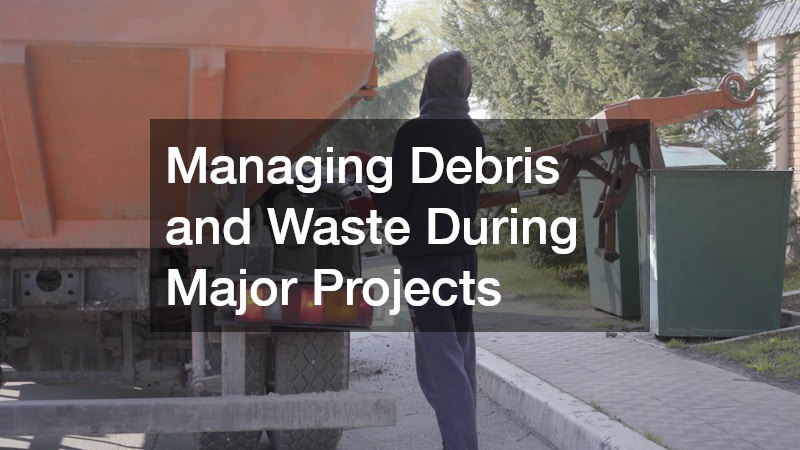
When a breakdown forces emergency repairs, the mess that comes with it is often underestimated until it is piling up in the driveway or hallway. Damaged drywall, old flooring, broken fixtures, and insulation debris can accumulate fast, and leaving them sitting around creates tripping hazards, attracts pests, and can even trap moisture that leads to mold. Planning ahead for where that waste will go, whether that means renting roll off containers for larger jobs or simply setting aside a designated area for debris, keeps the work site safer and makes cleanup far less chaotic than trying to figure it out after the mess has already spread.
The type of waste involved also matters more than most people realize. Materials like old insulation, treated wood, or anything containing asbestos or lead paint, which is common in homes built before 1980, cannot just be tossed in with regular trash and often require separate handling or disposal through specific local programs. Checking with your municipality about disposal rules before repairs begin can save you from fines or the hassle of having waste rejected at the curb.
It also helps to sort debris as you go rather than letting everything pile into one heap, since separating recyclable materials like metal or clean wood from general construction waste can reduce disposal costs and cut down on how much ends up in a landfill. Taking these steps during a breakdown-driven repair, rather than treating cleanup as an afterthought, keeps the project moving efficiently and prevents a stressful situation from turning into an even messier one.
Kitchen and Food Service Maintenance Mistakes That Add Up
Kitchens are one of the most expensive places in any property to neglect, because grease, heat, and moisture create a perfect storm for equipment failure. A refrigerator compressor that quietly struggles for months due to a dirty condenser coil doesn’t just get louder; it eventually stops entirely, taking a freezer full of food with it. Similarly, pouring grease down a sink or skipping proper cooking oil disposal seems harmless in the moment, but it hardens inside pipes and slowly narrows the drain line until you’re left with a backup that floods the floor and damages cabinetry underneath. These issues rarely announce themselves loudly at first; they build quietly until the day something simply gives out, usually at the worst possible time.
Most of these breakdowns trace back to a handful of habits that are easy to fix once you know what to watch for. Small, regular attention to these areas costs almost nothing compared to emergency repairs, spoiled food, or water damage restoration.
- Clean refrigerator and freezer condenser coils every few months to prevent overheating and compressor failure
- Never pour grease or oil down the drain; let it cool and dispose of it in a sealed container instead
- Check exhaust hoods and filters regularly, since grease buildup is a common fire hazard and airflow blocker
- Inspect dishwasher hoses and connections for slow leaks that can warp flooring or cabinets over time
- Test garbage disposals periodically for unusual noises, which often signal a jam or motor strain before it fails completely
Structural Repairs and Heavy Lifting for Major Fixes
When a facility’s structural components fail rather than just its mechanical systems, repair costs escalate dramatically because the work often requires specialized equipment and skilled trades that go far beyond a typical maintenance call. A cracked support beam, a sagging roof truss, or a corroded steel frame cannot simply be patched; it usually demands cutting out damaged sections and rejoining new material through welding, which requires certified technicians, permits, and sometimes temporary shutdowns to ensure the surrounding structure is safe during the process.
These jobs also frequently involve materials and components too heavy to move by hand, which means bringing in crane services to lift and position replacement beams, HVAC units, or precast panels, adding rental fees, scheduling delays, and site preparation costs that a property owner rarely anticipates until the damage has already occurred.
What makes these repairs so much more expensive than routine upkeep is the ripple effect they create across the rest of the property. Removing a damaged wall section or ceiling assembly to access failed framing often exposes wiring, plumbing, or insulation that must be temporarily rerouted or protected, turning a single structural fix into a multi-trade project. Weather conditions and site access also matter more than people expect, since a crane needs stable, level ground and enough clearance to operate safely, and delays waiting for the right conditions can stretch a project timeline from days into weeks.
By understanding how quickly a small structural issue can snowball into a project requiring heavy machinery and specialized labor, property owners can better appreciate why catching problems early, before they compromise load-bearing elements, saves both money and the disruption of a much larger repair down the line.
Branding, Signage, and Curb Appeal Upkeep

First impressions happen long before a customer or visitor steps through the door, and a property’s exterior is doing that talking around the clock. A faded awning, a burnt-out light fixture on a monument sign, or peeling paint on a storefront doesn’t just look neglected; it quietly signals that whatever is happening inside might be neglected too. When these small issues are left unaddressed, they tend to snowball: a crack in custom signage that could have been patched for a small fee eventually requires a full replacement once moisture gets behind the panel and warps the structure. Waiting for that kind of total failure almost always costs more than catching the problem early, and it also means weeks of lost visibility while a new sign is fabricated and installed.
Curb appeal maintenance is really about protecting the value of what’s already been built, whether that’s a home, a rental property, or a small business storefront. Simple habits like pressure washing walkways, touching up exterior paint before it chips further, trimming landscaping that hides entrances, and checking that lighting fixtures are working properly can prevent the kind of visible decline that erodes property value over time. These issues rarely show up on anyone’s radar until they’ve become obvious, which is exactly why a seasonal walk-around, checking the property from the street the way a visitor would, is worth the twenty minutes it takes.
Catching a loose gutter or a dimming exterior light now costs almost nothing compared to replacing water-damaged siding or rewiring a fixture that’s been left to fail. Appearance and function are more connected than most property owners realize, and keeping both in good shape protects the investment from the outside in.
Long-Term Planning for Renovations and Property Improvements
Preventive maintenance works best when it’s paired with a long-term view of your property, not just a checklist of monthly tasks. Roofs, HVAC systems, plumbing lines, and electrical panels all have predictable lifespans, and mapping those timelines out five to ten years in advance lets you budget for replacements before they become emergencies. This kind of forecasting also helps you avoid the trap of tackling renovations in a reactive, piecemeal way, which almost always costs more than a coordinated plan.
When larger projects are on the horizon, such as a major structural upgrade or an addition, many property owners find it useful to consult commercial general contractors early in the process, since they can flag code requirements or infrastructure limitations that would otherwise surface as costly surprises mid-project.
A written improvement schedule, even a simple one, turns vague intentions into actionable steps and makes it easier to justify spending on upkeep before something breaks. It also gives you leverage when budgeting, since you can spread major expenses across multiple years instead of absorbing them all at once during a crisis.
When building your long-term plan, consider including:
- The estimated remaining lifespan of major systems like roofing, HVAC, and water heaters
- A rough replacement or renovation cost for each system, adjusted for inflation over time
- Seasonal inspection dates tied to your climate, such as pre-winter furnace checks or pre-summer AC servicing
- Upgrades that improve efficiency or resale value, like insulation, window replacements, or updated wiring
- A reserve fund target so unexpected repairs don’t derail the rest of your planned improvements
Conclusion
The pattern across every system in a building is the same: small, manageable issues become expensive emergencies when they’re ignored. By paying attention to early warning signs and budgeting for regular upkeep instead of waiting for a crisis, property owners can avoid the financial shock of a major breakdown. Start by walking through your own property and noting which systems haven’t been checked in the last year. Taking that first step today can save you thousands of dollars—and a lot of stress—down the road.