The true financial burden of owning a vehicle extends far beyond the initial sticker price and your monthly loan payment. When consumers calculate their transportation budgets, they often account for fuel and standard taxes, but they severely underestimate the unpredictable and potentially devastating expenses tied to routine maintenance, sudden mechanical breakdowns, and constantly fluctuating coverage premiums. Over a five-year period, the cost to keep a vehicle safely on the road and legally compliant can easily rival the purchase price of the car itself. If you approach car ownership passively, relying entirely on dealerships and financial institutions to tell you what you need and when you need it, you will inevitably bleed money.
The greatest threat to your wallet is the danger of deferred maintenance. It is a common psychological trap: a dashboard warning light flickers on, or a faint grinding noise emerges from the wheels, and the driver ignores it because the car still runs and a professional diagnosis seems too expensive. This is a catastrophic financial mistake. Vehicles are highly complex machines where every system is interconnected. Ignoring a small, cheap fix—like replacing a worn rubber belt or flushing contaminated fluid—inevitably forces other components to work harder, leading to massive, expensive system failures down the road. What could have been a minor weekend chore transforms into a complete engine rebuild.
The purpose of this guide is to completely shift your approach to vehicle ownership. You do not need to be a master technician or a financial wizard to dramatically lower your driving expenses. By adopting a proactive, step-by-step approach to self-diagnosing common issues, sourcing your own affordable parts, extending the lifespan of critical components, and aggressively negotiating your policy premiums, you can reclaim control over your budget. The strategies outlined below will empower you to keep your vehicle running smoothly, legally, and beautifully while keeping thousands of dollars in your pocket over the life of your car.
Master Preventative Maintenance and Diagnostics
The most effective way to save money on vehicle maintenance is to catch problems before they actually become problems. Preventative care is incredibly cheap compared to reactive mechanical overhauls. Educating yourself on how to handle basic vehicle care at home, and understanding how to speak the language of diagnostics, will shield you from predatory upcharges and unnecessary labor fees.
Check Fluids and Replace Filters Regularly
Many drivers pay premium labor rates for tasks that require zero technical skill and absolutely no specialized tools. Replacing your vehicle’s filters is the perfect example.
-
Engine and Cabin Air Filters: Your engine needs clean air to burn fuel efficiently, and your cabin needs clean air for you to breathe safely. Dealerships routinely charge upwards of sixty to eighty dollars to replace these filters. In reality, the parts cost roughly fifteen dollars online, and swapping them out usually involves unclipping a plastic box under the hood or behind the glove compartment. You can complete this task in five minutes.
-
Monitor Critical Fluids: You must establish a habit of checking your oil, engine coolant, and brake fluid levels at least once a month. Oil provides essential lubrication; if it runs low, the metal components inside your engine will grind together and fuse, requiring a total engine block replacement. Brake fluid is hygroscopic, meaning it absorbs moisture from the air over time, which can rot your brake lines from the inside out. Catching a slow fluid leak early is the difference between a cheap hose replacement and a total system failure.
Invest in a Personal OBD-II Scanner
When your check engine light illuminates, the vehicle’s internal computer has registered an error code. Historically, drivers had to rely entirely on professionals to decipher this code, often paying a “diagnostic fee” ranging from one hundred to two hundred dollars just to plug in a machine.
Today, you can purchase an inexpensive Bluetooth On-Board Diagnostics (OBD-II) scanner for under thirty dollars. This device plugs right into a port under your steering wheel and sends the exact error code directly to your smartphone. Knowing whether your car is throwing a code for a loose gas cap or a failing catalytic converter empowers you to research the issue online. Coming to the service counter armed with the exact code and a basic understanding of the problem is the best way to protect yourself from being taken advantage of by dishonest auto mechanics who might try to sell you parts you do not need.
Follow the Manufacturer’s Schedule, Not the Dealer’s
There is a massive difference between what the engineers who built your car recommend and what the service advisor at the dealership recommends.
-
Read the Manual: Your owner’s manual contains a specific service interval chart (typically broken down by 30,000, 60,000, and 90,000 miles). This document dictates exactly when spark plugs, timing belts, and transmission fluids actually need to be replaced.
-
Decline Unnecessary Flushes: Service centers frequently push highly profitable “fluid flushes” (like power steering or coolant flushes) long before the manufacturer recommends them. Stick strictly to the factory guidelines to avoid the unnecessary fluid flushes frequently pushed by general auto repair services to inflate the final bill.
Handle Cosmetic and Minor Wear Smartly
A vehicle’s exterior is constantly bombarded by road debris, harsh weather, and the inevitable carelessness of other drivers in parking lots. While minor cosmetic damage does not usually impact the drivability of the car, ignoring it allows the elements to cause deeper structural degradation, such as rust. Handling minor wear smartly involves taking rapid action and knowing where to source materials cost-effectively.
Address Glass Damage Before It Spreads
Your windshield is a critical structural component of your vehicle, supporting the roof in the event of a rollover and ensuring proper airbag deployment. When a small rock hits the glass and creates a tiny star-shaped chip, the clock starts ticking.
The science of glass degradation is working against you. As temperatures fluctuate between the heat of the day and the cool of the night, the glass expands and contracts. Combined with the constant vibration of the road, that tiny chip will inevitably spiderweb into a massive, unfixable crack stretching across your field of vision. Emphasize the cost-effectiveness of executing timely auto window repairs—which are often fully covered by policies without requiring you to pay a deductible—versus paying hundreds of dollars out-of-pocket for a total, unavoidable windshield replacement later.
Source Your Own OEM or Salvage Parts
When a component like an alternator, a side mirror, or a taillight assembly breaks, most drivers simply hand the keys to a shop and pay whatever retail markup the shop places on the replacement part. You can easily cut your repair bill in half by sourcing the parts yourself.
-
Online Wholesalers: Websites dedicated to auto parts often sell Original Equipment Manufacturer (OEM) parts at wholesale prices, cutting out the middleman markup.
-
Salvage Yards: For non-wear items like interior trim, side mirrors, or replacement seats, local “pick-a-part” salvage yards are goldmines. You can pull lightly used, factory-original parts from wrecked vehicles for pennies on the dollar.
-
Finding an Installer: Once you have the part, you can execute the strategy of calling independent auto repair shops to find ones willing to install customer-supplied parts. While they will still charge you their standard hourly labor rate, you have entirely bypassed the standard 30% to 50% parts markup.
DIY Minor Scratch and Dent Removal
If you scrape a pole in a parking garage or find a deep paint transfer from a runaway shopping cart, do not immediately rush to a professional detailer. Many surface-level blemishes can be eliminated in your driveway, preserving the vehicle’s resale value.
If the scratch disappears when you run your fingernail over it or when you spray it with water, it is only in the clear coat. You can easily buff this out using a dual-action polisher and a mild rubbing compound. For deeper chips that reveal the primer, an exact-match paint pen purchased from the manufacturer can seal the vulnerability to prevent rust. Even shallow, rounded dents in plastic bumpers can sometimes be popped back into place by pouring boiling water over the plastic to soften it and pulling the dent out with a strong suction cup.
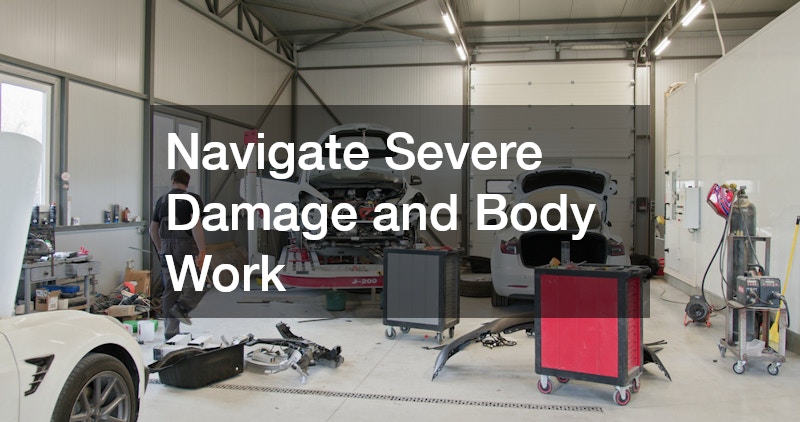
Navigate Severe Damage and Body Work
Even the most cautious drivers can find themselves involved in a severe collision or a devastating weather event like a hail storm. When structural or heavy aesthetic damage occurs, the financial stakes are incredibly high. The difference between a smart response and a panicked one can mean a swing of thousands of dollars. You must implement a strict procedural response plan to ensure you receive the best rates and the highest quality craftsmanship.
Get Multiple Itemized Estimates for Major Rebuilds
The auto body industry is highly fragmented, and pricing is exceptionally volatile. The cost to replace and paint a crushed quarter panel will vary wildly depending on a facility’s overhead costs, the zip code it operates in, and the specific labor rates they charge for metalwork versus paint blending.
Never accept the very first number you are given, especially if you are paying out-of-pocket to avoid a premium spike. You must take the time to gather at least three physical estimates from different local auto body shops to use as leverage during your negotiations. Ask the estimators to break down exactly how many hours they are charging for teardown, structural pulling, and refinishing. Comparing these itemized lists will quickly reveal if one facility is drastically overcharging for labor or attempting to bill for unnecessary procedures.
Understand the Value of Paintless Dent Repair (PDR)
Traditionally, fixing a dent meant grinding off the original factory paint, filling the depression with plastic body filler (Bondo), sanding it perfectly smooth, and spraying multiple layers of new primer, paint, and clear coat to blend it into the surrounding panels. This is an incredibly labor-intensive and expensive process.
Today, there is a vastly superior alternative for specific types of damage. Paintless Dent Repair (PDR) technicians use highly specialized, long metal rods to reach behind the vehicle’s panels. Using precise, calculated pressure, they meticulously massage the dented metal from the inside out until it returns to its original factory shape. This method is a massive money-saver during collision repair—particularly for hail damage or minor parking lot crunches—because it entirely bypasses the need for expensive sanding, toxic body filler, and repainting, all while preserving the vehicle’s original factory finish.
Know Your Right to Choose Your Facility
There is a pervasive and intentionally confusing misconception in the industry regarding where you are allowed to take your vehicle after an accident. When you file a claim, the claims adjuster will almost certainly give you a list of their “preferred network” or “direct repair” facilities and heavily imply that you must use them for a streamlined process.
You need to know your rights: insurance carriers cannot legally force you to use their specific facilities. The shops on their preferred list have often signed contracts agreeing to lower their labor rates and use cheaper, aftermarket parts in exchange for a steady volume of work from the carrier. You have the absolute right to choose the most trusted, fairly priced, and highly reviewed facility in your area. Do not let a claims adjuster bully you into using a shop that prioritizes the carrier’s bottom line over the safety and structural integrity of your vehicle.
Optimize Tire Health and Smart Upgrades
Your tires are the single most important safety feature on your vehicle; they are the only point of physical contact between your tw0-ton machine and the pavement. Because tires are expensive wear items, property managing their health is vital to your budget. Furthermore, when it comes time to upgrade your vehicle’s capabilities, knowing how to bypass dealership markups will save you a fortune in unnecessary interest.
Rotate Tires and Monitor Tread Wear Consistently
Tires do not wear evenly on their own. The engine block is incredibly heavy, putting vastly more weight on the front axle than the rear. Furthermore, the front tires handle all of the steering friction and bear the brunt of the braking force. If you leave your tires in the exact same position for their entire life, the front set will degrade rapidly and require replacement years before the rear set.
-
Implement a Rotation Schedule: You must rotate your tires—moving the front tires to the back and the back tires to the front—every 5,000 to 7,000 miles. This ensures the rubber wears down evenly, stretching the lifespan of the entire set to its absolute maximum.
-
Check Tread Depth: Keep an eye on the wear bars between the treads. If the tread wears down to these horizontal bars, your vehicle is highly susceptible to hydroplaning and the tires must be replaced immediately for your safety.
Correct Suspension Issues Promptly
Your vehicle’s suspension geometry must be perfectly calibrated for the tires to sit flat against the road. Hitting a deep pothole or clipping a curb can instantly knock the camber, caster, or toe out of specification. When this happens, the tire no longer rolls smoothly; it gets dragged sideways across the asphalt by microscopic amounts every time the wheel turns.
Ignoring a pulling steering wheel or noticing uneven wear patterns (like the inside edge of the tire being completely bald while the outside looks brand new) literally scrubs the rubber off your tires in a matter of weeks. Committing to paying for a preventative car alignment check once a year can save hundreds of dollars by preventing a perfectly good, expensive set of tires from being prematurely ruined.
Avoid Dealership Markups on Add-Ons
When you purchase a vehicle, the finance manager will inevitably attempt to sell you a variety of lifestyle add-ons and upgrades as you sit at their desk signing paperwork. They will offer all-weather floor mats, roof racks, upgraded stereos, or premium wheel locks, emphasizing that it will “only add five dollars to your monthly payment.”
Do not fall for this financial trap. Dealerships heavily markup the retail price of these items. Worse still, by rolling them into your 60- or 72-month auto loan, you are effectively paying interest on a set of rubber floor mats for the next five years. You should never purchase these items in the finance office. You can easily save hundreds of dollars by buying these auto accessories from aftermarket retailers online or direct from the manufacturer later, installing them yourself with basic hand tools without paying a dime of interest.
Strategize Your Coverage for Maximum Savings
While physical maintenance requires a wrench and a driveway, optimizing your financial paperwork is done entirely from your keyboard. Many drivers view their monthly premium as a fixed utility bill that they have no control over. In reality, the underwriting process is highly algorithmic, and by understanding how carriers assess risk, you can hack your policy to lower your monthly overhead without sacrificing a single ounce of safety.
Bundle Policies and Increase Deductibles Safely
The fastest way to drop your monthly premium is to adjust your financial risk profile with the carrier.
-
Consolidate Your Lines: If your renter’s or homeowner’s policy is with a different carrier than your vehicle, you are leaving money on the table. Carriers deeply incentivize volume. Bundling all your policies under one corporate umbrella often triggers an automatic multi-line discount ranging from 10% to 20%.
-
Adjust Your Deductible: Your deductible is the amount you agree to pay out-of-pocket before the carrier covers the rest of the bill. If you have a low $250 or $500 deductible, you are paying a massive premium for that convenience. The smartest financial move is to raise your comprehensive and collision deductible to $1,000 to drastically lower the monthly premium on auto insurance. Take the money you save each month from that lowered premium and put it directly into a high-yield savings account to act as a self-funded emergency sinking fund in case you ever actually need to pay that $1,000 deductible.
Leverage Usage-Based Telematics Programs
Historically, carriers based your rates on broad demographic data: your age, your zip code, your marital status, and your credit score. Today, technology allows carriers to base your rates on how you actually drive.
Nearly every major carrier now offers a usage-based telematics program. You simply plug a small device into your OBD-II port or download an app to your smartphone that tracks your driving habits for a few months. The algorithm tracks your hard braking events, your rapid accelerations, how often you drive during high-risk late-night hours, and your total annual mileage. If you are a genuinely smooth, safe, and low-mileage driver, allowing the carrier to access this data can unlock deep, personalized discounts that are completely unavailable through standard quoting.
Shop Your Policy Every Single Renewal Cycle
Loyalty does not pay in the financial sector. In fact, many carriers utilize a legally controversial practice known as “price optimization.” Their algorithms predict which customers are too busy or too complacent to shop around. They will slowly, incrementally raise the rates of loyal customers at every six-month renewal cycle, assuming the customer will just quietly pay the slightly higher bill rather than deal with the hassle of switching carriers.
To combat this “loyalty tax,” you must be proactive. Put a recurring reminder on your calendar for thirty days before your current policy expires. Use that time to gather quotes from at least three competing carriers, comparing identical coverage limits. Frequently changing carriers and forcing them to compete for your business is the only proven method for continually securing the most affordable car insurance rates available on the open market.
Conclusion
Owning a vehicle without draining your bank account requires active, consistent engagement. As we have explored throughout this guide, the pillars of long-term savings are not built on luck; they are built on self-education, diligent routine maintenance, and an uncompromising approach to financial negotiation. By taking the time to understand the basic mechanics of your vehicle and refusing to blindly accept the first price you are quoted for repairs or coverage, you transform yourself from a passive consumer into an empowered owner.
The cost-benefit reality of vehicle ownership is undeniable. Every single hour you spend comparing policy quotes, every ten minutes you spend checking your engine’s fluid levels, and every afternoon you spend polishing out a minor scratch translates directly into exponential financial savings and significantly reduced stress down the line. Preventative care is always vastly cheaper than reactive desperation.
Do not wait for a dashboard warning light to blindside you or for your next premium renewal to quietly drain your checking account. Take action today. Pull out your current coverage declarations page this evening to verify your deductibles and ensure you are not overpaying. Tomorrow morning, take ten minutes to walk around your vehicle, check the tread depth on your tires, test your lights, and pull your engine dipstick. By making these small, smart strategies a permanent part of your routine, you will ensure your vehicle remains a reliable asset rather than a financial liability.